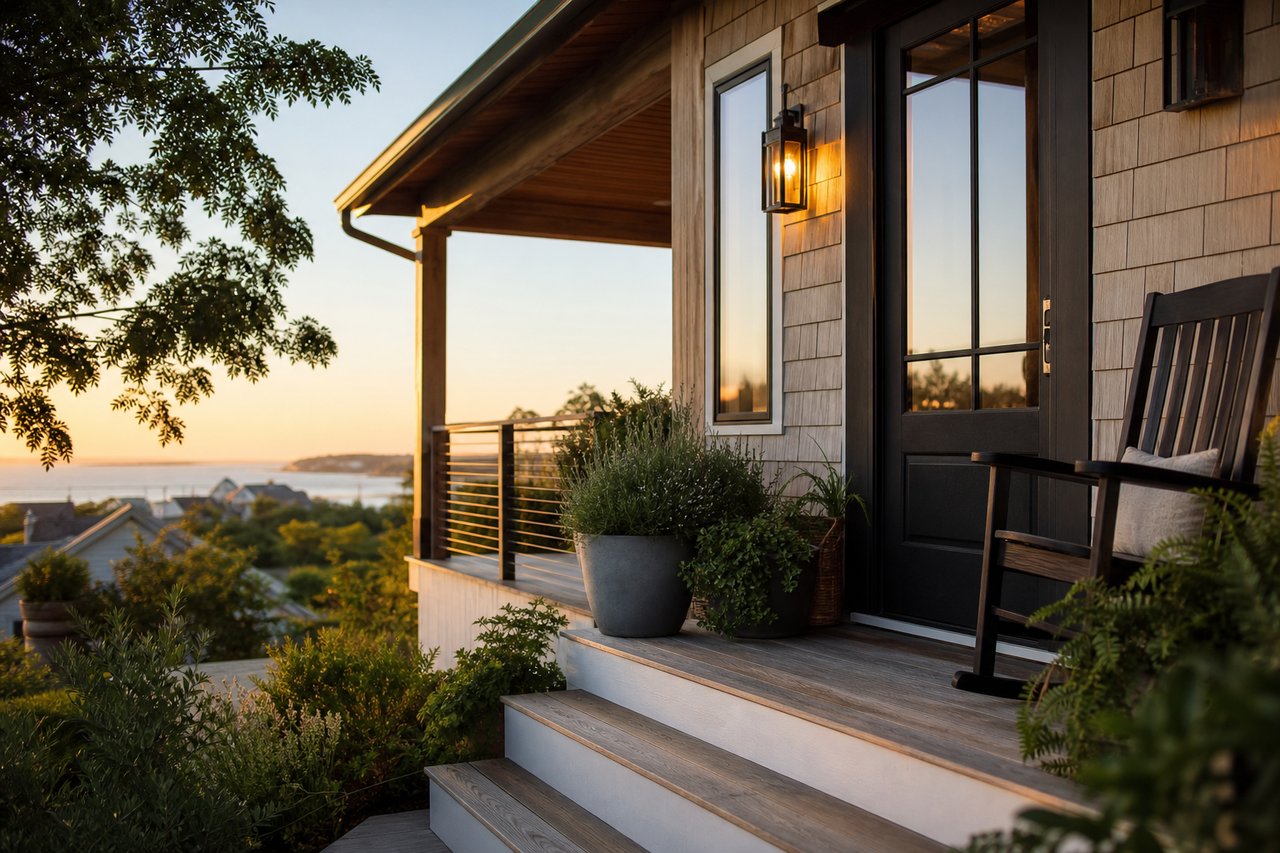
What makes a beach home in Upper Township eco-friendly, and is it worth it?
An eco-friendly beach home in Upper Township, NJ combines resilient coastal construction with energy-saving systems like solar PV, high-efficiency heat pumps, and low-VOC finishes, features that reduce long-term operating costs and hold up against salt air and storms. In a Cape May County market where typical home values reached about $807,930 as of July 2026, sustainable upgrades generally position a property toward the upper end of its neighborhood range and attract buyers focused on low maintenance and lower utility bills.
Why Upper Township Is Worth a Closer Look for Sustainable Living
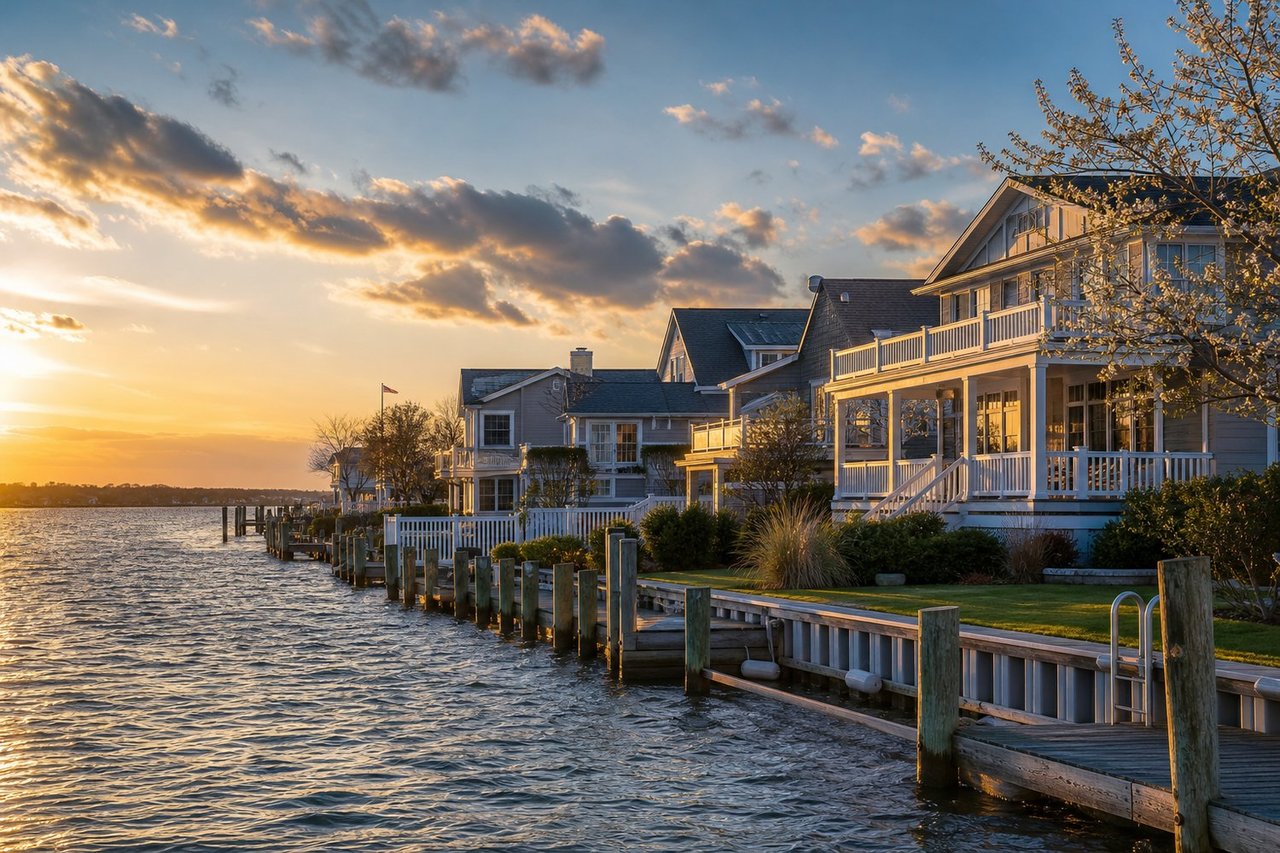
Most buyers chasing eco-friendly shore homes immediately think of the barrier island towns: Ocean City, Avalon, Stone Harbor. That's understandable. But Upper Township, which stretches across the mainland side of Cape May County and includes communities like Strathmere, Marmora, and Seaville, gives you something the islands can't always match: more land, more flexibility, and a price point that leaves room to invest in the green features that actually matter.
I walk buyers through this trade-off all the time. The shore lifestyle doesn't require an oceanfront address, and when you factor in what you can do with a well-built, energy-efficient home in Upper Township, the math often gets very interesting.
The broader market context backs this up. According to Zillow's July 2026 data for Cape May County, the typical home value county-wide sits at approximately $807,930, up 8.7% year-over-year, with homes going pending in around 32 days. The Federal Reserve Bank of St. Louis FRED data puts the county's median listing price at roughly $949,575 for July 2026. Upper Township communities generally price below the Cape May City and Ocean City peaks, which means buyers get more home, and more budget, to put toward sustainable upgrades.
For context on long-term appreciation, the All-Transactions House Price Index for Cape May County registered 394.60 for 2025 (using 2000 as the base year of 100). That's a nearly fourfold increase over 25 years, a strong backdrop for any investment in durable, high-quality green construction.
If you're still exploring what Upper Township has to offer beyond sustainability, my post on vacation home options in Upper Township near Ocean City covers the lifestyle and property landscape in more depth.
The Green Features That Actually Work at the Shore
Coastal conditions are unforgiving. Salt air corrodes, wind loads are high, humidity is relentless, and storm seasons are real. The good news is that the features that make a home sustainable in this environment are also the ones that make it more durable, more comfortable, and less expensive to own over time. Here's how I break it down for buyers and sellers.
A Resilient Building Envelope
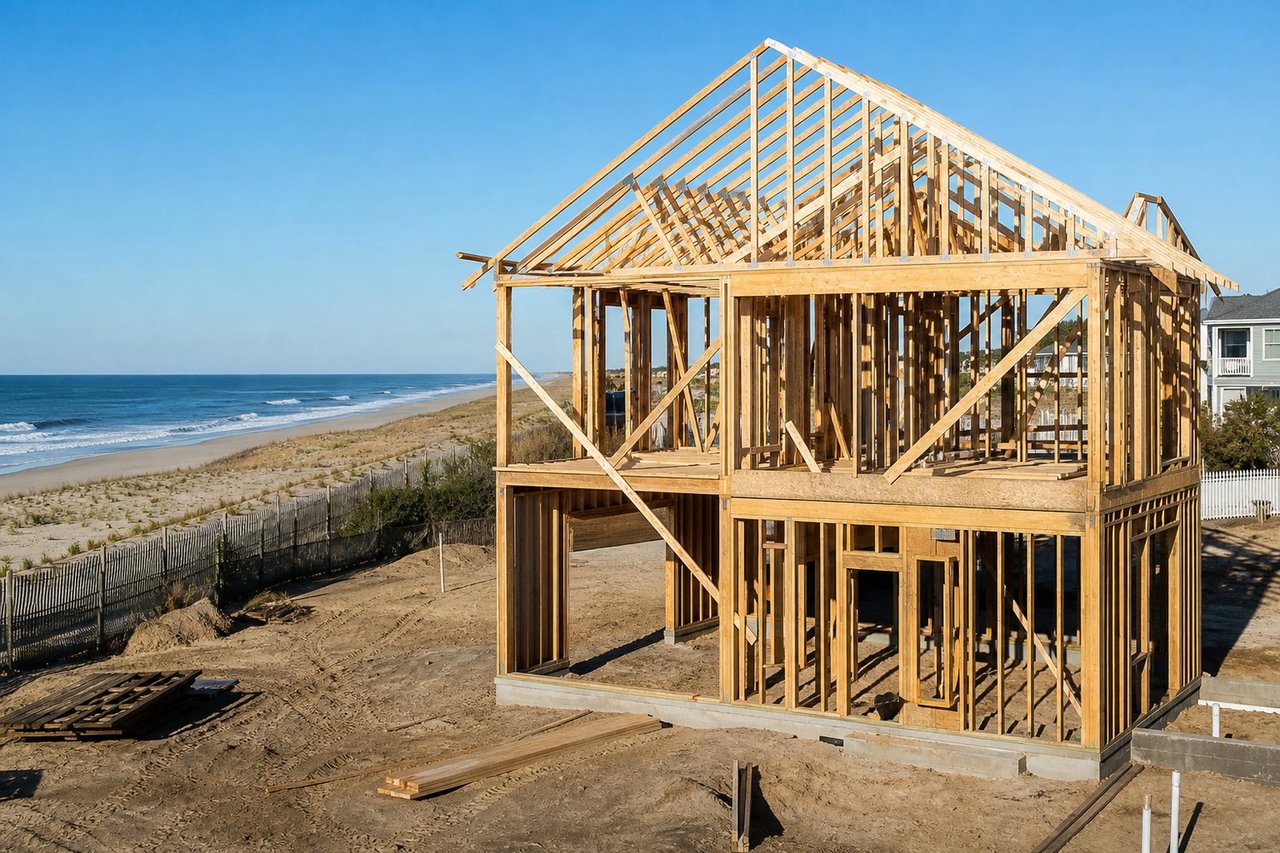
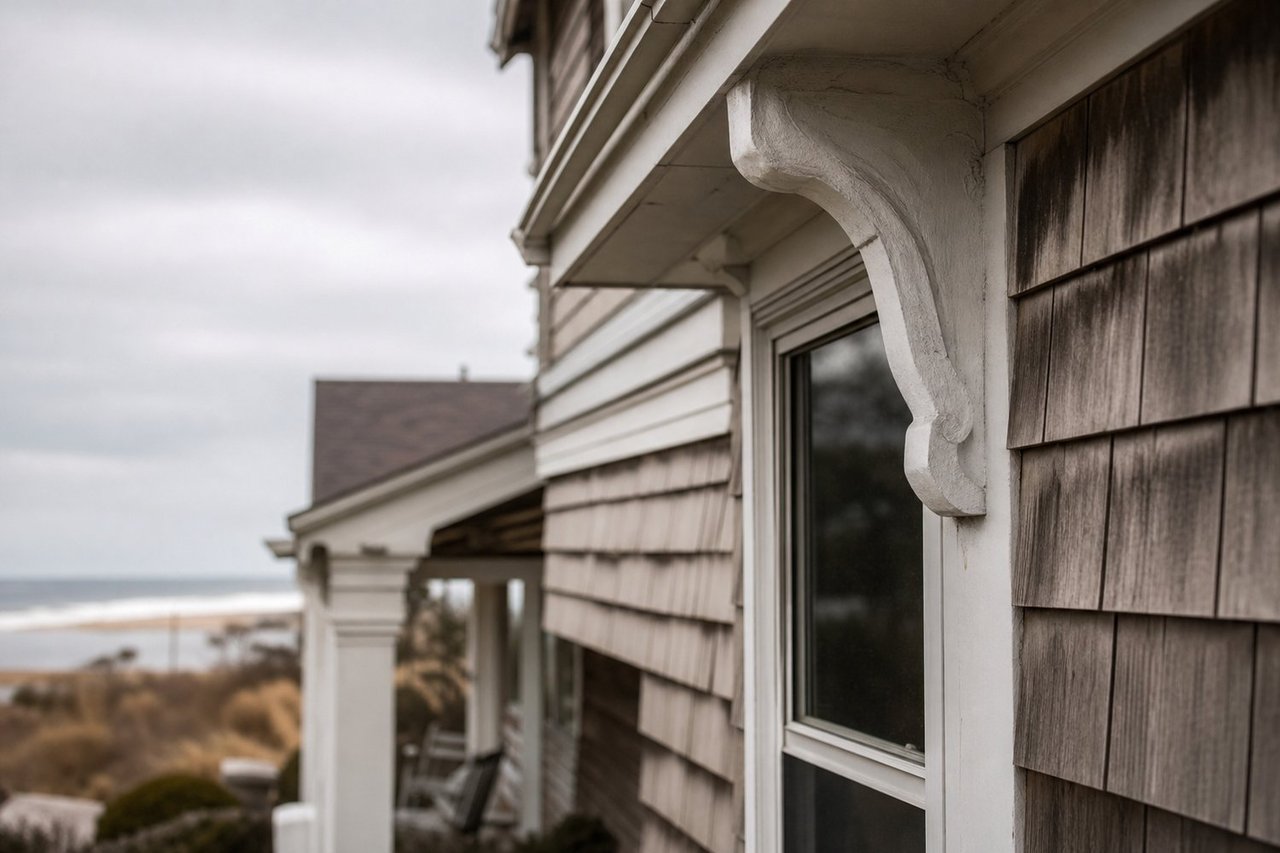
This is the foundation of any eco-friendly coastal home. Impact-resistant windows and doors, corrosion-resistant hardware, and exterior materials built for salt air and wind, fiber-cement siding, engineered wood, or high-grade vinyl, all reduce maintenance costs and improve energy performance at the same time.
In flood-prone zones, elevated foundations or pilings are often required to comply with FEMA flood maps and local zoning rules. Pairing that elevation with closed-cell spray foam insulation under floors and in walls does double duty: it seals the building against moisture intrusion and dramatically improves thermal performance. That's not just green, it's smart coastal construction.
Solar, Heat Pumps, and Smart Energy Systems
Solar PV systems sized for shore-home loads (think HVAC, dehumidification, pool equipment, and EV charging) are increasingly common in Cape May County. Pair them with high-efficiency heat pumps and smart thermostats, and you're looking at a home that can run at a fraction of the utility cost of a conventional shore house.
What's encouraging locally is that Upper Township has been the subject of state planning review that specifically recommends streamlining or reducing permit fees for solar, wind, and geothermal installations, according to NJ State planning agency comments from November 2021. These are policy recommendations rather than enacted ordinances, so you'll want to verify the current status with the municipal office, but the direction of local planning is clearly supportive of renewable energy. The New Jersey Clean Energy Program also maintains current incentive information worth checking before you design a system.
For installations, keep in mind that coastal conditions require components rated for high winds, salt spray, and hurricane-prone environments. Local building departments review racking systems and mounting details at permit time, and a good installer will know exactly what's required here.
Water Management and Storm Resilience
This is where sustainable design and coastal resilience overlap most directly. Permeable hardscaping, rain gardens, and proper grading manage heavy rain and coastal storms while reducing runoff, a real concern in communities like Strathmere where water management is part of everyday life.
Roof design matters here too: proper flashing, gutter systems built for intense downpours, and backflow preventers or sump pumps where appropriate. These features also show up in the seller's disclosure process, which I'll cover below. Coastal projects that involve substantial work near the water may also require review under NJDEP Coastal Zone rules, which can extend permitting timelines compared to inland projects, something worth planning around if you're building or renovating.
Indoor Air Quality and Sustainable Finishes
Low-VOC paints, sustainable flooring (bamboo or FSC-certified wood), non-toxic insulation, and efficient ventilation and dehumidification systems round out the picture. In a humid coastal environment, a home that actively manages indoor air quality isn't just healthier, it's also more resistant to mold, which protects finishes and structural elements over the long run.
These features increasingly resonate with second-home and retirement buyers who want a property that's genuinely low-maintenance and comfortable to occupy, not just one that looks good in listing photos.
What Sellers and Buyers Need to Know About the Transaction
Eco-friendly features add real value, but they also add complexity to the transaction. Here's what I tell every client on both sides of this deal.
Disclosures for Green Homes
In Coastal Southern New Jersey, sellers complete a Seller's Property Disclosure Statement (sometimes called a Property Condition Disclosure Statement), typically issued by the local REALTOR® association or brokerage, per standard New Jersey Association of REALTORS® practice. For an eco-friendly home, this form covers more ground than a conventional listing.
You'll need to disclose the age and condition of roofing, siding, windows, HVAC, and structural elements. Any known flooding, water intrusion, or storm damage, and any remediation done, needs to be on the form. Critically for green homes: installed solar or renewable systems must be disclosed, including whether they're owned outright or under a lease or power purchase agreement. Permitted and inspected energy-efficiency upgrades should be documented. A transparent, well-documented green home is a marketing asset. Gaps in that documentation are the opposite.
On the closing side, New Jersey closings typically involve an attorney and a title company. The title company's work is especially important for eco-friendly homes because they'll confirm that recorded permits and variances for solar arrays, raised foundations, or additions are in order, and that no recorded easements affect solar access or stormwater management, per standard New Jersey Land Title Association practice. Don't skip this step.
The Realty Transfer Fee
New Jersey imposes a Realty Transfer Fee (RTF) on deed recordings, with rates and exemptions published by the NJ Division of Taxation. In most residential transactions, the seller is customarily responsible for this fee, but it can be negotiated in the contract. Confirm how it's handled in your specific deal with your attorney, don't assume.
Every situation is different, and the only way to know what your transaction will actually look like is to run through it with someone who knows this market. That's exactly what I do with every client before we list or make an offer.
Cape May County Market Indicator | Figure | Source / Period |
|---|---|---|
Typical home value (county-wide) | $807,930 | Zillow, July 31, 2026 |
1-year value change | +8.7% | Zillow, July 31, 2026 |
Median days to pending | ~32 days | Zillow, July 31, 2026 |
Median listing price (county) | $949,575 | FRED / St. Louis Fed, July 2026 |
Months of inventory (Cape May County) | ~4.0 months | Shore Real Estate NJ, April 2026 |
House Price Index (county, annual) | 394.60 (base: 2000=100) | FRED ATNHPIUS34009A, 2025 |
These are county-level figures. Upper Township communities generally price below the Cape May City and barrier-island peaks, but they sit within this same high-value coastal market. Eco-friendly upgrades, when well-documented and properly permitted, tend to push a property toward the upper end of its local range.
See how buyers weigh location and value in my post on how location impacts value in the Ocean City condo market, the same principles apply on the mainland side of Cape May County.
I'd also encourage you to read what other clients have said about working with me on Google, Zillow, and Realtor.com.
Frequently Asked Questions
How can I make a beach house in Upper Township more eco-friendly without losing that modern coastal look?
The best sustainable upgrades in Upper Township double as design assets: impact-resistant windows let in more light and look sharp, fiber-cement or engineered-wood siding comes in clean modern profiles, and solar arrays on well-designed rooflines are increasingly expected in high-end coastal homes. Low-VOC finishes and sustainable flooring (bamboo, FSC-certified wood) are virtually indistinguishable from conventional materials. The key is working with builders and designers who know coastal conditions, they'll spec materials that hold up to salt air and humidity without sacrificing aesthetics.
What green building features work best for homes near the water in Coastal Southern New Jersey?
In my experience, the features with the highest impact in this climate are a tight, resilient building envelope (impact windows, closed-cell spray foam insulation, corrosion-resistant hardware), a solar PV system paired with a high-efficiency heat pump, and smart water management (permeable hardscaping, proper grading, quality flashing and gutters). Efficient dehumidification and ventilation systems are also critical in a humid coastal environment. These aren't just green features, they're the things that make a shore home genuinely comfortable and low-cost to own over time.
Does Upper Township or Cape May County offer any incentives or fee reductions for solar panels or sustainable upgrades?
State planning agency comments from 2021 specifically recommended that Upper Township streamline or reduce permit fees for solar, wind, and geothermal installations, per NJ State planning materials. These were recommendations rather than enacted ordinances, so the current status should be confirmed directly with the municipal office. The New Jersey Clean Energy Program is the best starting point for current state-level incentives, rebates, and financing options for renewable energy installations.
Are there flood or storm-resilience requirements I should factor into a sustainable beach home in Upper Township?
Yes, and they interact directly with eco-friendly design. Coastal areas in Upper Township are subject to FEMA flood-zone requirements, which often mandate elevated foundations or pilings, a design decision that also creates an opportunity to install closed-cell spray foam insulation and improve the building's overall energy performance. Substantial construction near the water may also require review under NJDEP Coastal Zone rules, which can extend permitting timelines. Planning for these reviews early, especially for foundation work, solar installations, or major envelope upgrades, is essential.
What should go into the Seller's Property Disclosure for a green or upgraded coastal home in Upper Township?
For a sustainable beach home, the disclosure form should document the age and condition of all major systems (roof, siding, windows, HVAC), any known flooding or water intrusion history and remediation performed, and full details on any installed solar or renewable energy systems, including whether they're owned or leased and their current condition. Any energy-efficiency upgrades (insulation, window replacements, efficient appliances) should note whether they were permitted and inspected. A well-documented disclosure is a marketing asset for a green home, not just a legal requirement, per New Jersey Association of REALTORS® practice guidance.
The Bottom Line
Upper Township is one of the most underrated opportunities in Coastal Southern New Jersey for buyers who want sustainable, modern beach living without paying barrier-island prices for every square foot. The market is active, the county's long-term appreciation story is strong, and the local planning environment is moving in a direction that supports green building.
Whether you're buying a home you want to upgrade, selling a property with existing green features, or building from scratch, the details matter: permits, disclosures, system ownership, flood compliance, and local incentives all affect the value and the transaction. That's exactly the kind of guidance I provide for every client on the Saltwater Living Team.
Ready to explore what's available in Upper Township? Reach out directly at [email protected] and let's talk through what you're looking for. You can also watch the Saltwater Living show on the ADTV Network to see the coastal communities we work in every day.
Equal Housing Opportunity. Christopher Oliva is licensed in New Jersey as a Broker/Salesperson, regulated by the New Jersey Real Estate Commission (NJREC). This article is provided for general informational purposes only and does not constitute legal, tax, or financial advice. All market data should be independently verified. Readers should consult their own attorney, tax advisor, lender, or closing officer regarding their specific transaction.