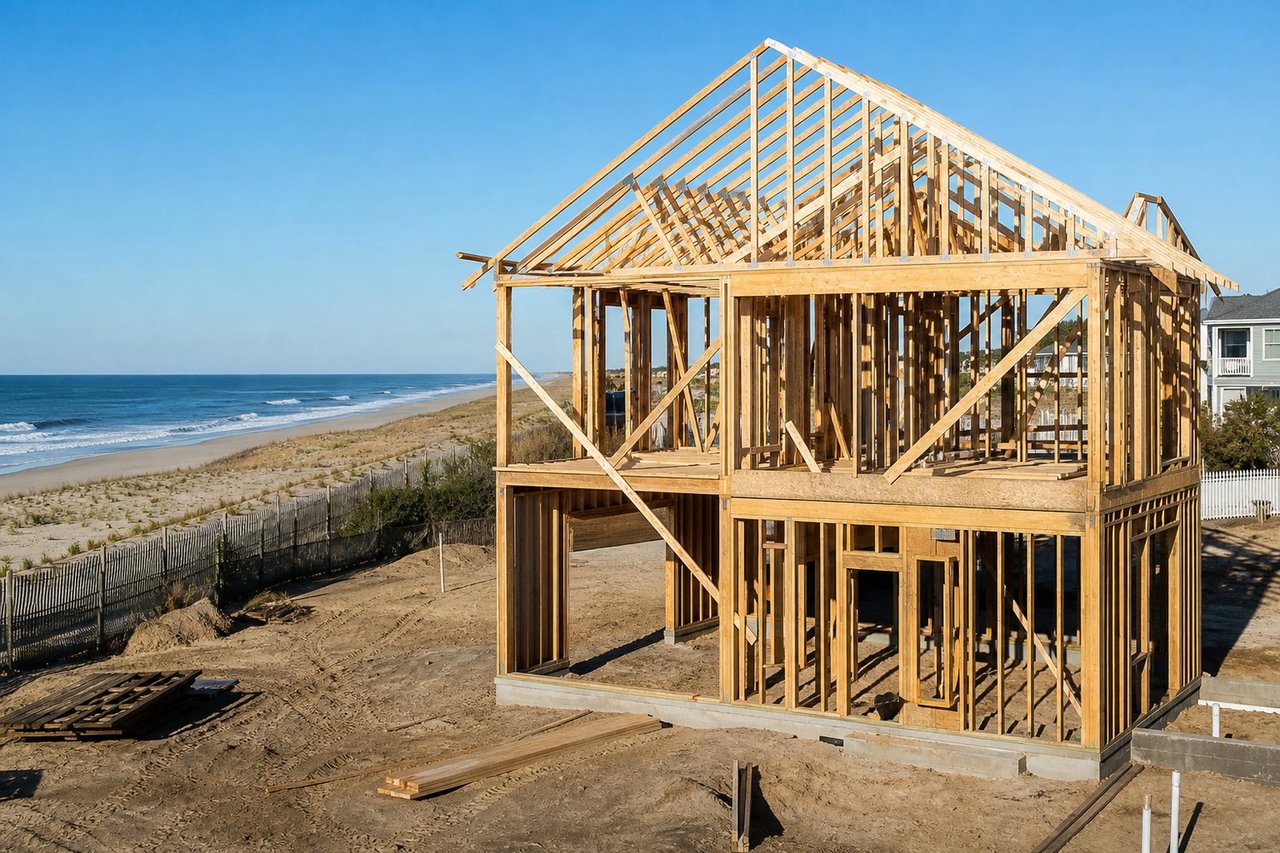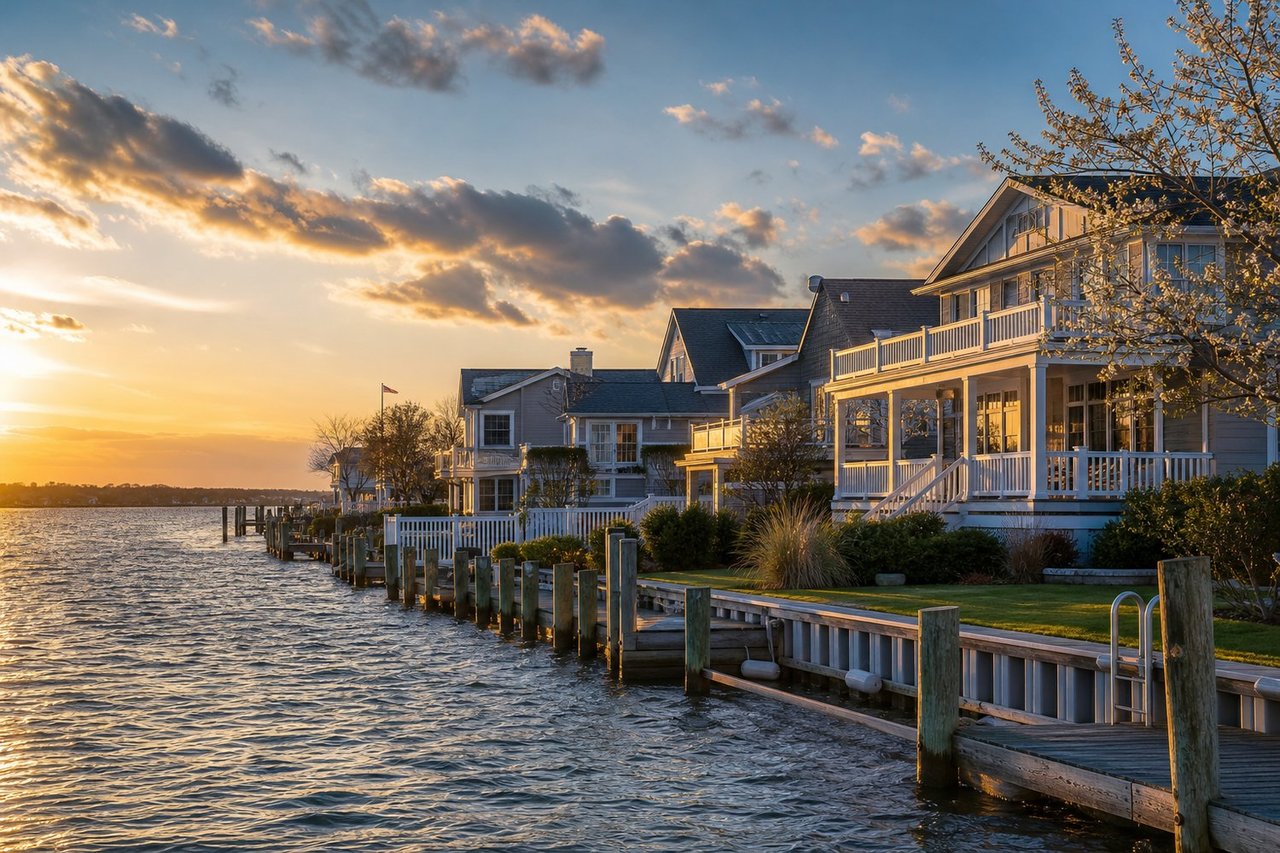
Should I price above, below, or right at market value for my Shore home?
In Coastal Southern New Jersey, pricing at or very near true market value is almost always the strongest strategy. According to Zillow's July 2026 Cape May County data, 63.7% of homes are selling under list price, while only 21.1% are selling above it, which tells you the market is not automatically rewarding ambitious pricing. Start sharp, let competition do its job, and you protect both your timeline and your net proceeds.
What the 2026 Shore Market Actually Looks Like
The numbers coming out of Coastal Southern New Jersey in 2026 paint a clear picture: this is an appreciating but disciplined market. Buyers here are motivated, but they are also informed, and they have options.
Zillow's July 2026 snapshot for Cape May County shows an average home value of $807,930, up 8.7% year-over-year, with a median sale price of $704,833 and a median list price of $754,333. That gap between list and sale tells you something important: sellers are asking more than buyers are paying, on average. Homes are going to pending in about 32 days countywide.
Over in Atlantic County, Redfin's rolling three-month data through late August 2026 shows a median sale price of $418,000, up 2.1% year-over-year, in a market described as moderately competitive. That figure blends shore and inland communities, so barrier-island towns like Margate, Ventnor, and Ocean City will run higher, but the directional signal is the same: steady appreciation, not a frenzy.
For a tighter look at a highly seasonal market, Zillow's May 2026 data for Cape May city shows an average home value of $735,632, up 5.2% year-over-year, with homes going to pending in around 18 days. That faster pace reflects what happens when you price correctly in a market with limited inventory and motivated seasonal buyers.
Market Area | Median/Avg Value (2026) | YoY Change | Typical Days to Pending |
|---|---|---|---|
Cape May County (countywide) | $807,930 avg / $704,833 median sale | +8.7% | ~32 days |
Cape May City | $735,632 avg | +5.2% | ~18 days |
Atlantic County (countywide) | $418,000 median sale | +2.1% | Moderately competitive |
Sources: Zillow, July 2026; Zillow Cape May City, May 2026; Redfin Atlantic County, Aug 2026. Data reflects the most recent available figures as of August 31, 2026.
Shore vs. Inland: Two Different Pricing Environments
One thing I want sellers to understand: the shore market and the inland market within these counties behave differently. A home in Margate or Stone Harbor is not competing against a home in Mays Landing. Barrier-island inventory is constrained, seasonal demand is concentrated, and buyers are often making a lifestyle decision as much as a financial one.
That distinction matters for pricing strategy. On the barrier island, you have a narrower window of peak buyer activity, roughly late spring through early summer, and missing that window with an overpriced listing has real consequences. Inland, the rhythm is steadier and the consequences of a price miss are less acute.
If you are selling in Ocean City, Avalon, Stone Harbor, Margate, or Ventnor, you are playing a different game than a seller in Egg Harbor Township. I walk every seller through that difference before we ever talk about a number. (If you are curious how location shapes value specifically in Ocean City's condo market, I covered that in detail here.)
Why Overpricing Hurts More at the Shore Than Almost Anywhere Else
Here is the thing about a seasonal market: your window is not forgiving. If you miss the spring and early-summer buyer wave with an overpriced listing, you are not just waiting for the next buyer, you are waiting for the next season.
I have seen it play out the same way too many times. A seller lists 10-15% above where the comps land, hoping to "test the market." The first two weeks go by with low showing activity. By the time the first price reduction happens, Memorial Day has passed, the pool of motivated summer buyers has thinned, and the days-on-market counter is working against you. Buyers see the price history and ask the obvious question: what's wrong with it?
That stigma is real. Redfin's market characterization of Atlantic County as "moderately competitive" and Zillow's data showing 63.7% of Cape May County homes selling under list both point to the same conclusion: the market is not bailing out overpriced listings. Buyers are negotiating, and they negotiate harder when a home has been sitting.
The Momentum Argument for Pricing at Market
When you price at or very near true market value, a few things happen that work in your favor:
- You show up in more buyer searches. Buyers set price filters. If your home is priced above the range where it belongs, it simply does not appear for the buyers most likely to buy it.
- You generate early showing volume. The first 10-14 days on market are your highest-traffic window. Price it right and you fill that window with serious buyers.
- Multiple offers become possible. In a tight shore market, accurate pricing can create competition that pushes your final number above list, which is exactly how that 21.1% of Cape May County homes end up selling over asking.
- You control the timeline. A well-priced listing closes on your schedule, not the market's.
According to NAR's research on pricing and days on market, homes that sit and require price reductions consistently net less than homes that sell in the first two weeks, even when the final price of the reduced listing eventually falls back to where it should have started. You lose both time and money.
What About Pricing Below Market to Spark a Bidding War?
This is a legitimate tactic in very specific situations, tight inventory, high demand, a property with broad appeal. But it carries risk. If the bidding war does not materialize, you have anchored buyer expectations low and given up negotiating room you cannot get back.
In the Coastal Southern New Jersey market as it stands in 2026, I generally do not recommend pricing meaningfully below market unless the comps are genuinely ambiguous and you need the market to tell you where value lands. For most shore sellers, the better path is a sharp market-value price with a clean, well-prepared listing, and letting the first week of activity tell you whether demand supports something higher.
What Goes Into Finding Your True Market Value
This is where the work actually happens, and it is not something an online estimate can do for you. Automated valuation models do not know that your home has a rooftop deck with bay views, or that the comp three blocks over sold distressed. They do not account for the micro-location differences that drive real price spreads in a market like Ocean City or Avalon.
A proper comparative market analysis for a shore property looks at:
- Recent closed sales of genuinely comparable properties, same property type, similar size, similar location relative to the water
- Active competition, what buyers are currently choosing between when they look at your home
- Days on market patterns for properties that sold vs. those that expired or were withdrawn
- List-to-sale ratios by property type and price band in your specific community
- Seasonal timing, where we are in the shore market cycle relative to your target close date
Condition and disclosure documentation also factor in more than sellers expect. New Jersey now requires sellers of residential property to complete a Seller's Property Condition Disclosure Statement under the New Jersey Real Estate Consumer Protection Enhancement Act (P.L.2024, c.32), referenced in regulations at N.J.A.C. 13:45A-29.1. Buyers in Cape May and Atlantic Counties expect full transparency, on systems, prior water intrusions, flood history, and any known issues. A listing where those questions are answered clearly and proactively holds its price. One where buyers have to dig for answers, or where surprises surface during inspection, tends to give back price through credits or renegotiation.
Clean documentation of flood insurance, elevation certificates, and any past storm impacts supports buyer confidence and keeps your pricing position strong. Buyers discount risk they cannot quantify. Give them the information and they can price it themselves, which usually means they price it more favorably than their worst-case assumption.
Your specific number depends on your home's condition, location, and where we are in the seasonal cycle. That is exactly what a market analysis with me is designed to sort out, before you pick a number, not after.
You can also read more about how location shapes value in the Ocean City condo market, the same principles apply across property types throughout the shore.
I want you to read what other sellers and buyers have said about working with me. You can find my reviews on Google, Zillow, and Realtor.com.
Frequently Asked Questions
If I'm listing my shore house in Cape May County in spring, should I price above market to see if summer buyers bite?
The data does not support it. Zillow's July 2026 figures for Cape May County show 63.7% of homes selling under list price, meaning most sellers who priced above market gave ground during negotiation. Spring is your highest-demand window, and burning it with an overpriced listing risks missing the seasonal peak entirely. Price at market, generate early momentum, and let competition push the number up if demand supports it.
How long are homes really taking to sell at the South Jersey Shore in 2026 if they're priced right?
For well-priced properties, the pace is reasonably fast. Zillow's July 2026 countywide data for Cape May County shows homes going to pending in about 32 days on average, and Cape May city data from May 2026 shows pending in roughly 18 days for correctly priced homes in that highly seasonal market. Overpriced listings skew those averages significantly, they sit, get reduced, and close later at a lower net number.
What happens if I overprice my Atlantic County beach house and then have to drop the price after Memorial Day?
You face a compounding problem. The price reduction signals to buyers that something was wrong with the listing, which invites lower offers and harder negotiations. You have also burned your peak seasonal window, the concentrated pool of summer-motivated buyers has thinned by late June. Redfin's Atlantic County data reflects a moderately competitive market, not one that rescues overpriced listings on its own. A post-Memorial Day price cut typically results in a longer total market time and a lower final sale price than if you had priced correctly from day one.
Are buyers in Coastal Southern New Jersey still paying over asking, or do I need to price right at market value?
Some are, but it is not the default. Zillow's July 2026 data for Cape May County shows 21.1% of homes selling above list price, so over-asking sales do happen, but they are the exception, not the rule. Those outcomes tend to belong to well-priced listings that generated early competition, not to overpriced listings that eventually got reduced. Price at market, create urgency in the first two weeks, and you give yourself the best shot at being in that 21%.
How do I figure out the true market value for a Cape May vacation home before picking a list price?
You need a comparative market analysis built specifically for shore property, not an automated estimate. That means looking at recent closed sales of genuinely comparable homes, active competition, days-on-market patterns by price band, and seasonal timing relative to your target close date. Micro-location factors (proximity to the water, bay vs. ocean side, walkability) drive real price differences that no algorithm captures. This is exactly what I build for every seller before we agree on a list price, reach out and I'll walk you through it for your specific property.
Pricing a shore home correctly is one of the highest-leverage decisions you will make in this process. Get it right and the market does the work for you. Get it wrong and you are fighting the calendar in a market that runs on seasons.
If you are getting ready to list in Ocean City, Margate, Avalon, Stone Harbor, Ventnor, or anywhere along the Coastal Southern New Jersey shore, I'd like to put a real market analysis in front of you before you pick a number. Reach out directly at [email protected], or watch how I approach the shore market on the Saltwater Living show on the ADTV Network.
Equal Housing Opportunity. Christopher Oliva is licensed in New Jersey as a Broker/Salesperson, regulated by the New Jersey Real Estate Commission (NJREC). This article is general information only and does not constitute legal, tax, or financial advice. Confirm your specific costs and transaction details with your title company, tax advisor, or lender. Broker fees and commissions are fully negotiable and are not set by law.