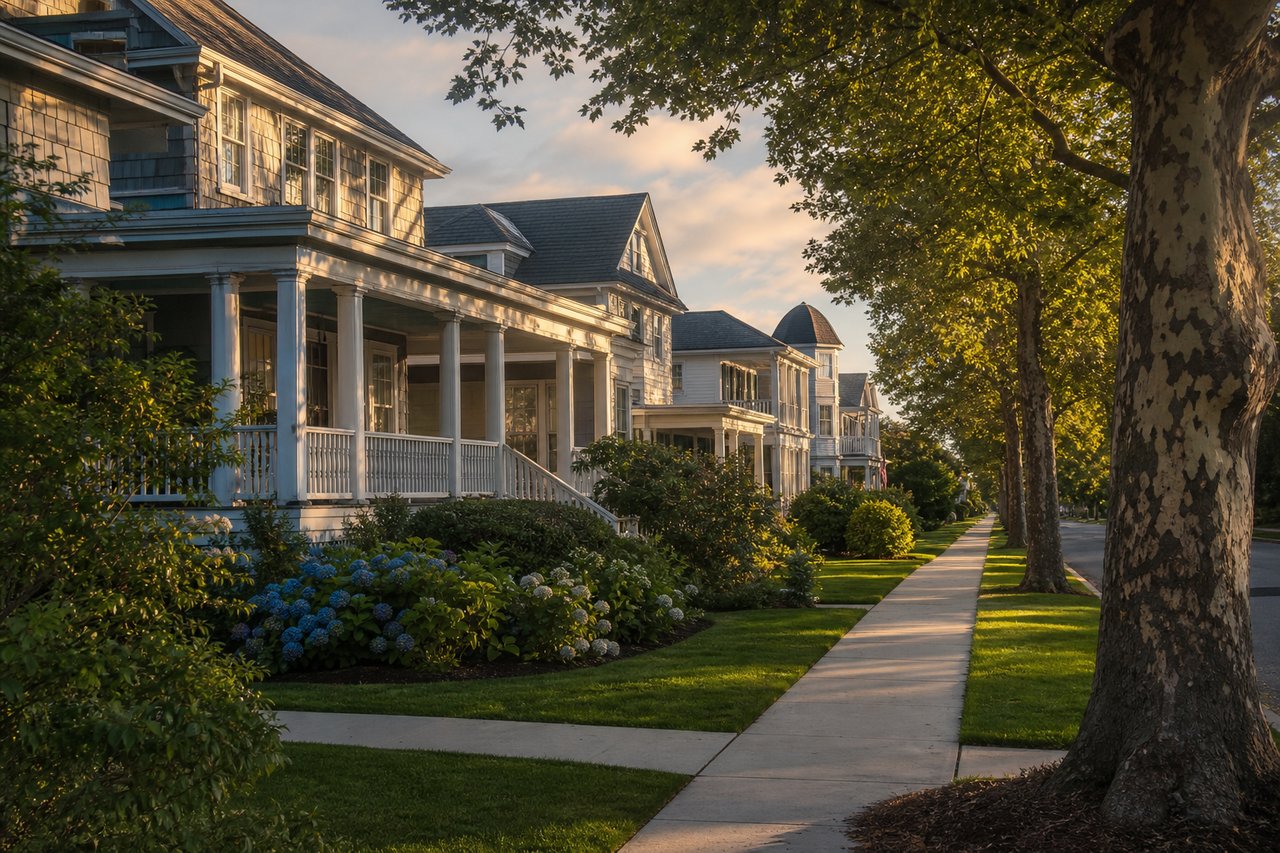
Should you buy on the Ocean City island or on the mainland?
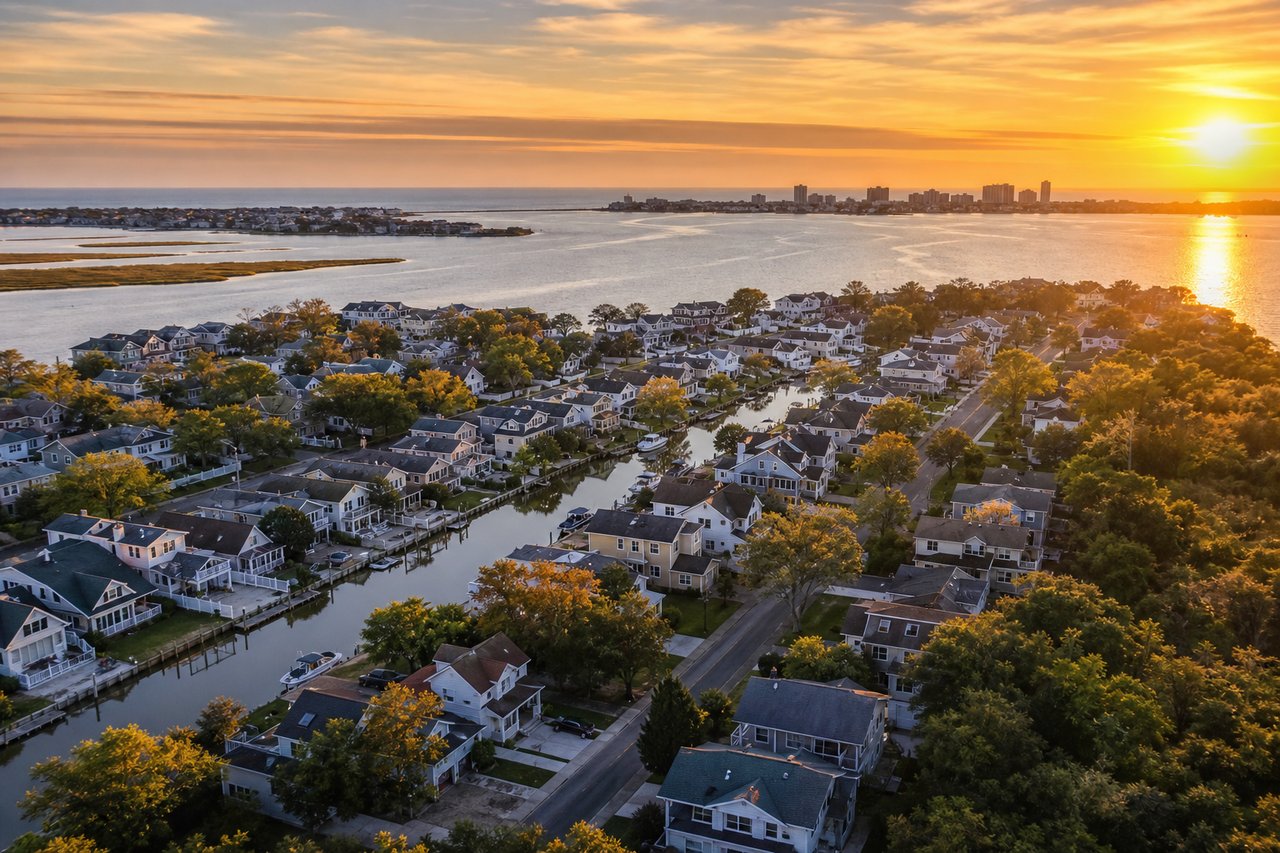
Ocean City island homes carried a median sale price around $1.2–$1.3 million as of mid-2026, while the broader Cape May County median sat closer to $705,000. The right answer depends on how you plan to use the home, how often you'll be there, and whether walkability to the beach matters more to you than square footage or negotiating leverage.
Key Takeaways
- The median sale price on the Ocean City island was approximately $1.299 million in July 2026, according to a Long & Foster market report, roughly double the Cape May County-wide median of about $705,000.
- Island listings in July 2026 went under contract in a median of 19 days; county-wide and metro-area homes took 32–68 days depending on location and data source.
- The Ocean City metro area carried about 4.2 months of supply and roughly 945 active listings as of late spring 2026, signaling a more balanced market than the pandemic-era frenzy.
- Mainland buyers in Cape May County typically find more inventory, more property types, and more room to negotiate, with sale-to-list ratios near 98% across both markets.
- Rental demand is strong on both sides: Cape May County's median advertised rent reached roughly $4,659 per month as of mid-2026, underlining the region's value as a short-term rental market regardless of whether you buy on the island or off it.
I get this question constantly. A buyer calls me with a budget in mind, a vision of summer mornings at the shore, and a genuine question: do I stretch for the island, or do I get more home on the mainland and drive to the beach? There's no universal right answer, but there is a framework that helps, and I walk every client through it before we ever start scheduling showings.
Here's how I think about it.
What does the price gap between island and mainland actually look like in 2026?
The gap is real and it's substantial. According to Long & Foster's July 2026 Ocean City market report, the median sale price on the island was approximately $1.299 million, up about 6% from July 2025. That same month, 45 homes sold, with listings moving at a median of just 19 days on market, down sharply from 41 days the prior year.
Pull back to the county level and the picture shifts. Zillow's July 2026 data for Cape May County, which includes mainland communities like Somers Point and surrounding areas, shows a median sale price around $705,000, with homes going pending in about 32 days. The average home value county-wide was approximately $808,000, up roughly 8.7% year over year.
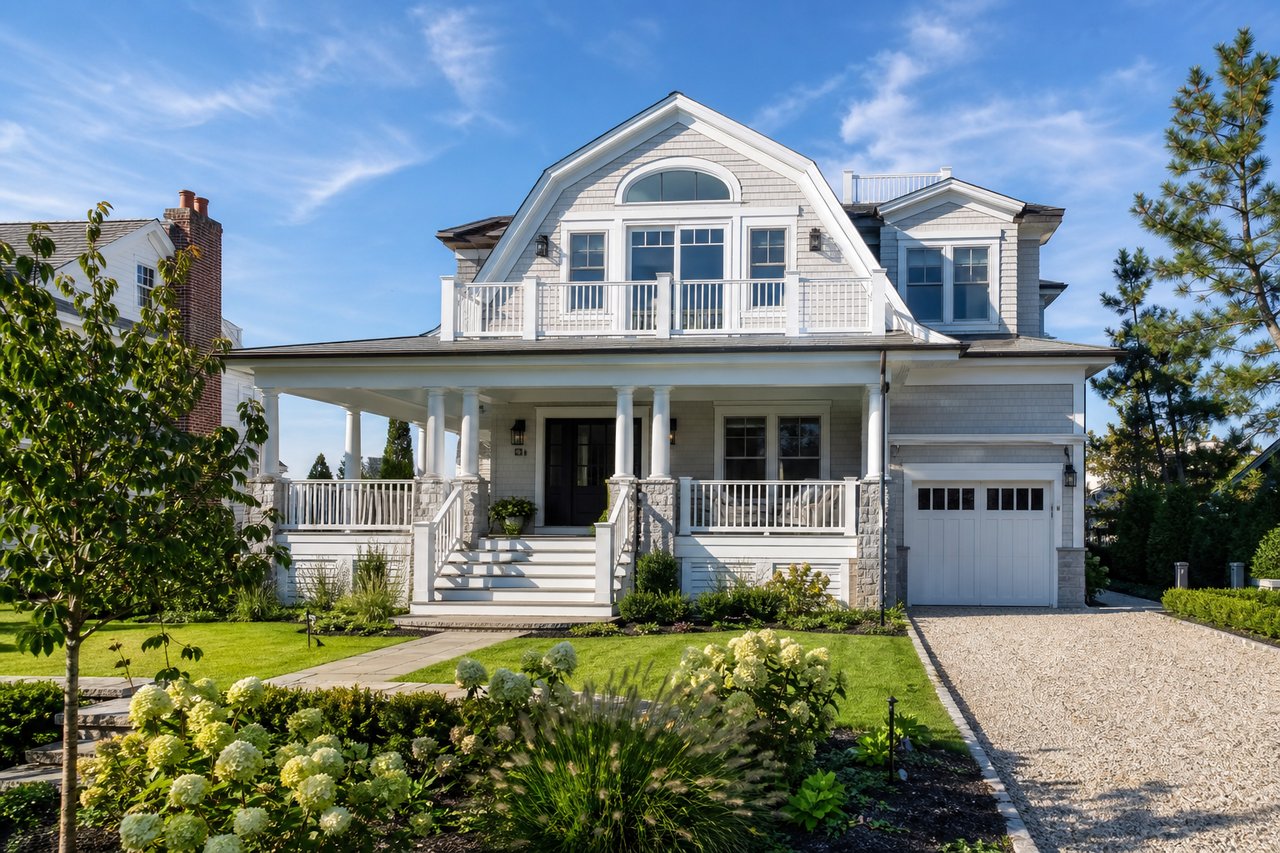
What that means practically: for the same budget that gets you a modest two-bedroom on the island, you can often find a larger single-family home on the mainland with a yard, a garage, and room to grow. The trade-off is a short drive to the beach instead of a walk.
How the two markets compare at a glance
Market Segment | Median Sale Price (Mid-2026) | Median Days on Market | Sale-to-List Ratio |
|---|---|---|---|
Ocean City Island | ~$1.299 million (July 2026) | ~19 days | ~98% |
Cape May County (broad) | ~$705,000 (July 2026) | ~32–52 days | ~98% |
Ocean City Metro Area | ~$744,000 (May 2026) | ~68 days | ~97–98% |
Sources: Long & Foster Market Report, July 2026; Zillow Cape May County, July 2026; WillitFlow Ocean City Metro, May 2026.
One thing worth noting: both markets are sitting near a 98% sale-to-list ratio. That means buyers aren't getting dramatic discounts anywhere in this region right now, but they're also not routinely getting into bidding wars. According to Realtor.com's August 2026 snapshot, Ocean City's market is currently described as "balanced," with a median listing price around $1.5 million and homes spending a median of 64 days on market before going under contract.
That balance is meaningful for buyers. The frantic pace of the early 2020s has eased. You have time to think. But prime island listings, well-priced, well-located, close to the boardwalk or beach, still move fast when they hit the market.
How should you weigh lifestyle, rental income, and long-term value?
This is where the decision really lives. The price difference is just a number. The harder question is: what kind of shore experience are you actually buying?
The case for the island
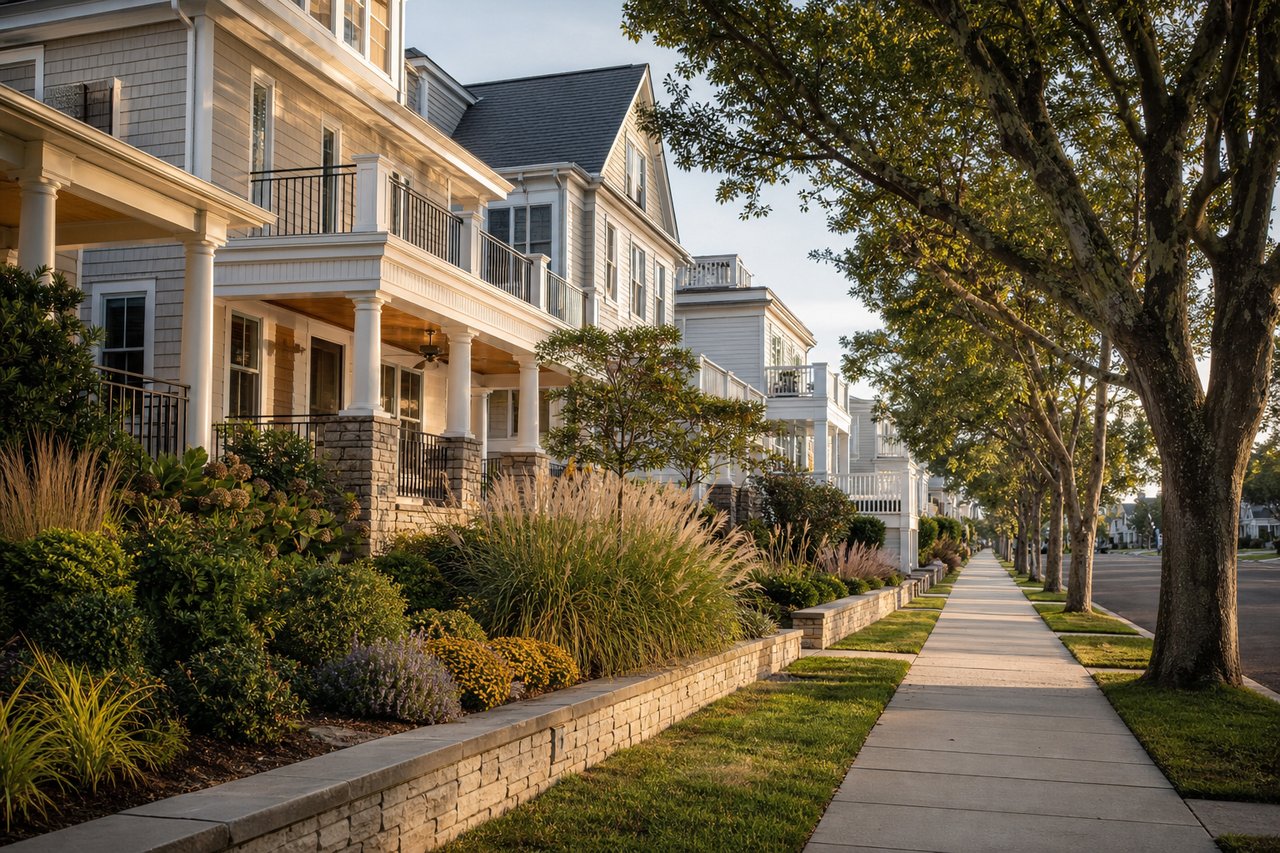
I've always told buyers that in a vacation-home market like Ocean City, the right location and lifestyle fit matter far more than chasing the lowest price. If your vision of shore life is walking to the beach before breakfast, biking to the boardwalk in the evening, and never touching your car all weekend, that's an island purchase. No mainland option replicates that.
The island also tends to command stronger short-term rental demand. Realtor.com's July 2026 Cape May County data shows county-wide median rents around $4,659 per month, up sharply year over year, reflecting the region's continued strength as a seasonal rental market. Proximity to the beach and boardwalk is one of the clearest drivers of rental rate premiums for vacation properties.
The Federal Reserve's All-Transactions House Price Index for Cape May County shows an index value of approximately 394.6 for 2025 (with 2000 as the base year of 100), meaning county-wide home prices have roughly quadrupled since 2000. Long-term appreciation has been real and sustained across the region.
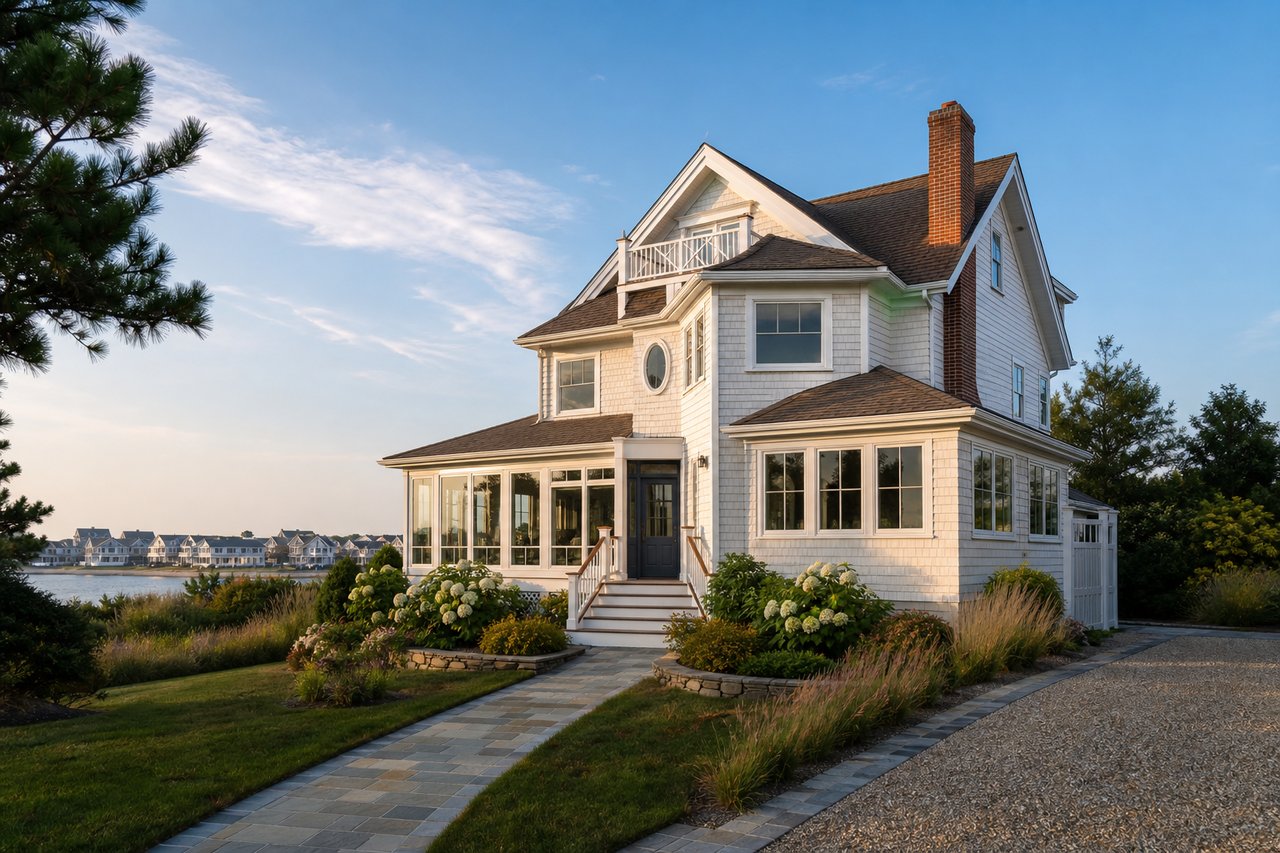
For buyers who don't want renovation projects, new construction on the island is available, but it comes at a premium. I walk clients through that trade-off carefully, because for some buyers the ability to move in without lifting a hammer is worth every dollar of the markup.
The case for the mainland
Mainland communities within Cape May County and immediately adjacent areas offer something the island can't: more home for your money, more inventory to choose from, and more room at the negotiating table.
According to WillitFlow's May 2026 metro-area report, the Ocean City metro had roughly 945 active listings and about 4.2 months of supply, well above the ultra-tight conditions of the pandemic years, and enough inventory to give buyers real options. County-wide, Realtor.com's July 2026 data shows approximately 1,600 active listings with a median listing price around $850,000 and an average of 52 days on market.
That broader inventory means you can be selective. You can weigh lot size, home condition, proximity to the bay, and commute access in a way that's harder to do when you're competing for a narrower slice of island inventory. A place like Somers Point, which I've written about in detail at Somers Point: Shore Lifestyle on the Mainland, gives buyers a genuine shore feel with waterfront access, without the island price tag.
If you're open to going slightly further out, Upper Township is worth a serious look. I cover the options there in Vacation Home Options in Upper Township Near Ocean City. The trade-off is real, but for buyers who want more space and a lower entry price, it's a trade-off worth making.
Flood insurance: a factor that deserves its own conversation
Any honest comparison of island versus mainland properties has to include flood risk. Barrier-island properties and bayfront homes carry different flood insurance considerations than homes a few miles inland, and those costs affect your total annual ownership picture. Flood zone designations, base flood elevations, and insurance premiums vary property by property, this isn't something to estimate from a blog post. I always make sure my buyers understand what they're looking at before they make an offer, and I connect them with an insurance professional who knows this specific coastal market.
If you're considering a bayfront property specifically, my post on Bayfront Living in Ocean City, NJ covers the key considerations in more depth.
What about condo vs. single-family?
This sub-question comes up constantly, especially for buyers who are only planning to use the home in summer. On the island, condos often represent the most accessible entry point at the seven-figure level, but location within the building and within the island matters enormously to both rental income and resale value. I walk through that in detail at How Ocean City Condo Locations Influence Value. On the mainland, single-family homes dominate and you generally get more usable space per dollar, with fewer association restrictions on rentals.
Your specific answer depends on your budget, your intended use, and how much you want to manage. That's exactly the kind of conversation I have with every buyer before we ever look at a listing.
If you want to see how Ocean City is actually feeling on the ground this summer, my post The 2026 Ocean City Summer, As Read From the Boardwalk gives you a real-time read on the market and the energy on the island.
Ready to run the numbers on your specific situation? Reach out directly at [email protected] and I'll put together a side-by-side picture of what your budget gets you on the island versus off it right now. You can also watch recent episodes of Saltwater Living on my YouTube channel to get a feel for the communities before you visit.
I'd love to hear what other buyers and sellers have experienced, read what my clients say on Google, Zillow, and Realtor.com.
FAQ
Is it really worth paying extra for a beachfront home in Ocean City, or can I get better value on the mainland?
It depends on how you define value. The island commands a median around $1.299 million as of July 2026, while the county-wide median sits near $705,000, so the mainland genuinely offers more home per dollar. But if walkability to the beach and boardwalk is central to how you want to use the property, no mainland alternative fully replicates that experience. The best purchases start with clarity about the life you want at the shore, then work backward to the price.
Are homes selling faster on the Ocean City island than on the mainland in 2026?
Yes, meaningfully so. Island listings in July 2026 carried a median of 19 days on market, according to Long & Foster's market report, while county-wide and metro-area homes took 32–68 days depending on location and data source. Well-priced island listings, especially near the beach or boardwalk, still move quickly, while mainland buyers generally have more time to evaluate options and negotiate.
Do Ocean City beachfront properties get significantly more rental demand than mainland homes?
Beachfront and near-beach properties do tend to command stronger short-term rental premiums, given their walkability to the beach and boardwalk. That said, the broader region is a strong rental market: Cape May County's median advertised rent reached roughly $4,659 per month as of mid-2026, per Realtor.com, reflecting robust seasonal demand across both island and mainland properties. Rental income potential varies by property, location, and how the home is managed, worth a detailed conversation before you buy.
How balanced is the Ocean City market right now, will I face bidding wars on waterfront homes in 2026?
Realtor.com described Ocean City's market as "balanced" as of August 2026, and the broader metro area carried about 4.2 months of supply in late spring 2026. Sale-to-list ratios are near 98% across both island and mainland segments, meaning most homes close slightly under asking rather than in heated bidding wars. That said, prime island listings priced correctly can still generate multiple-offer situations, you'll want to be ready to move when the right property appears.
What should I prioritize if I'm choosing between a smaller place on the island and a larger house on the mainland for the same budget?
Start with how you actually plan to use the home. If you'll be there most weekends and want the full walk-to-the-beach experience, the island's premium may be worth it even at a smaller footprint. If you plan to use it seasonally, want space for extended family, or are weighing year-round livability alongside summer use, the mainland often delivers more of what you need at a lower price point, with more inventory to choose from and more room to negotiate.
How does flood risk differ between island and mainland properties near Ocean City?
Barrier-island and bayfront properties generally carry higher flood risk and correspondingly higher flood insurance requirements than homes further inland, though every property's flood zone designation and base flood elevation is specific to that parcel. Flood insurance costs can vary significantly and affect your total annual ownership picture in ways that aren't visible in the listing price. Before making an offer on any coastal property, I connect buyers with a local insurance professional who can give them a real number for that specific address.
Equal Housing Opportunity. Christopher Oliva is licensed in New Jersey as a Broker/Salesperson, regulated by the New Jersey Real Estate Commission (NJREC). This article is provided for general informational purposes only and does not constitute legal, tax, or financial advice. Readers should confirm all figures, costs, and transaction details with their title company, tax advisor, or lender.