Is new construction on New Jersey's barrier islands worth the premium price?
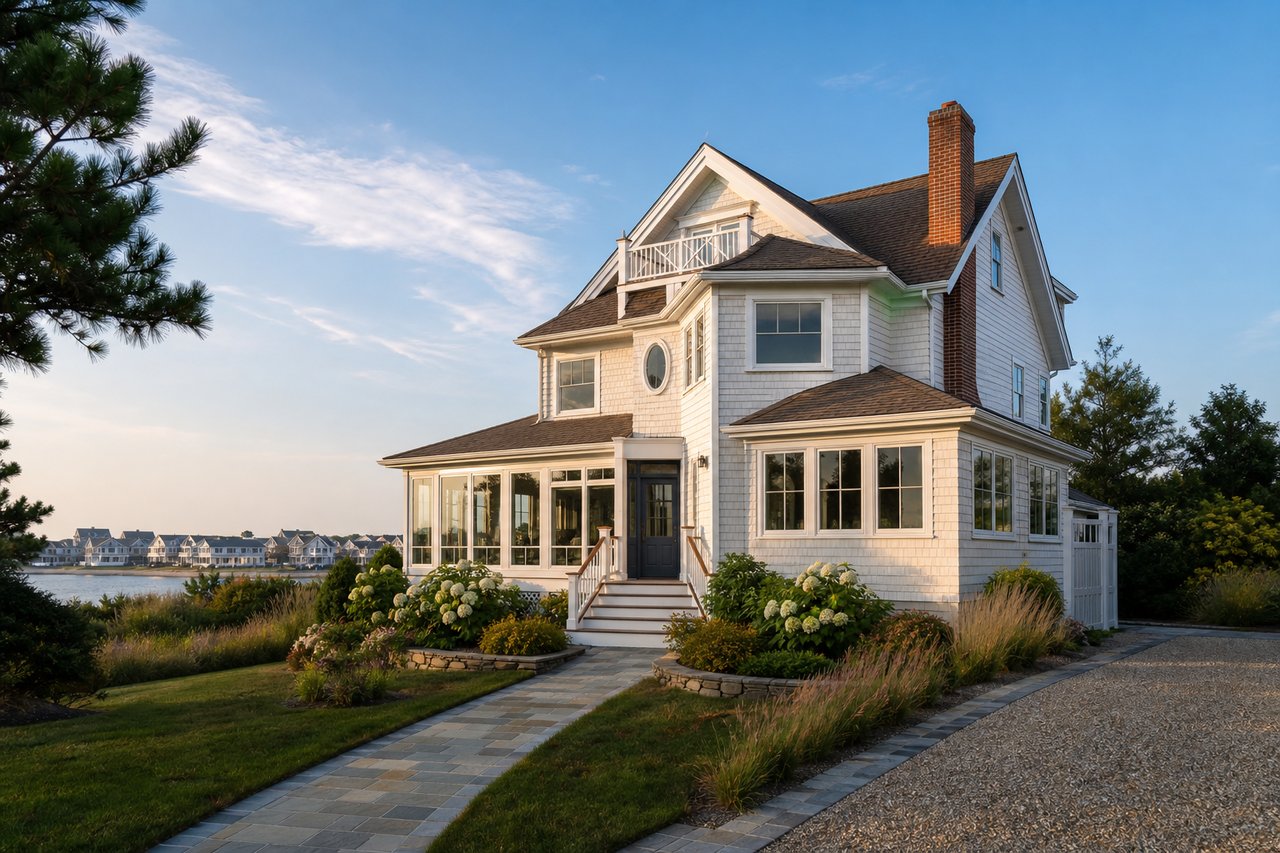
New construction on the barrier islands commands a meaningful price premium over comparable resale homes, and for some buyers, it's absolutely worth it. You're getting modern construction standards, flood-compliant elevation, energy-efficient systems, and a home that won't need a renovation budget on day one. The trade-off is real, though: lots are scarce, permitting timelines can stretch well beyond what buyers expect, and the all-in cost is almost always higher than the initial contract price suggests.
Key Takeaways
- New construction on New Jersey's barrier islands typically carries a significant price premium over resale inventory, driven by lot scarcity, coastal building code requirements, and elevated construction costs.
- According to the New Jersey REALTORS® Local Market Update for Cape May County (dated July 22, 2026), the Cape May County market remains highly competitive, providing important context for anyone evaluating new construction pricing in communities like Ocean City, Avalon, and Stone Harbor.
- Tear-down-and-rebuild projects are far more common than vacant land purchases on the barrier islands, because buildable lots are nearly impossible to find.
- FEMA flood zone requirements and National Flood Insurance Program compliance standards directly affect how new homes must be designed and elevated, which adds cost but also reduces long-term flood risk and insurance exposure.
- A new build eliminates the renovation uncertainty of an older shore home, but buyers need to account for permitting delays, carrying costs during construction, and the gap between a builder's base price and the finished number.
I walk buyers through this trade-off regularly. The question isn't just "can I afford new construction?" It's "does new construction fit the way I want to use this home, and does the premium make sense for my situation?" Those are two different conversations, and both matter.
What are the real advantages of buying new construction on the barrier islands?
The case for new construction starts with what you're not dealing with: decades-old plumbing, outdated electrical panels, windows that haven't sealed properly since the Clinton administration, and a kitchen that looked great in 1987. On the barrier islands, older homes have taken a lot of weather. Salt air is hard on everything, and deferred maintenance compounds fast in a coastal environment.
A new build sidesteps all of that. Here's what buyers consistently tell me they value most:
Modern coastal construction standards
New homes on the barrier islands are built to current New Jersey Uniform Construction Code standards, which have been significantly updated since many of the older shore homes were built. That means stronger framing, impact-resistant windows in many cases, and elevation requirements that align with current FEMA flood maps. A home built to today's standards isn't just more comfortable, it's designed to handle what the coast throws at it.
Energy efficiency and lower operating costs
New construction typically includes spray-foam insulation, high-efficiency HVAC systems, and modern building envelopes that older shore homes simply can't match. For a vacation home that sits empty for stretches of the year, that matters. You're not heating and cooling a leaky 1970s box.
No renovation budget required
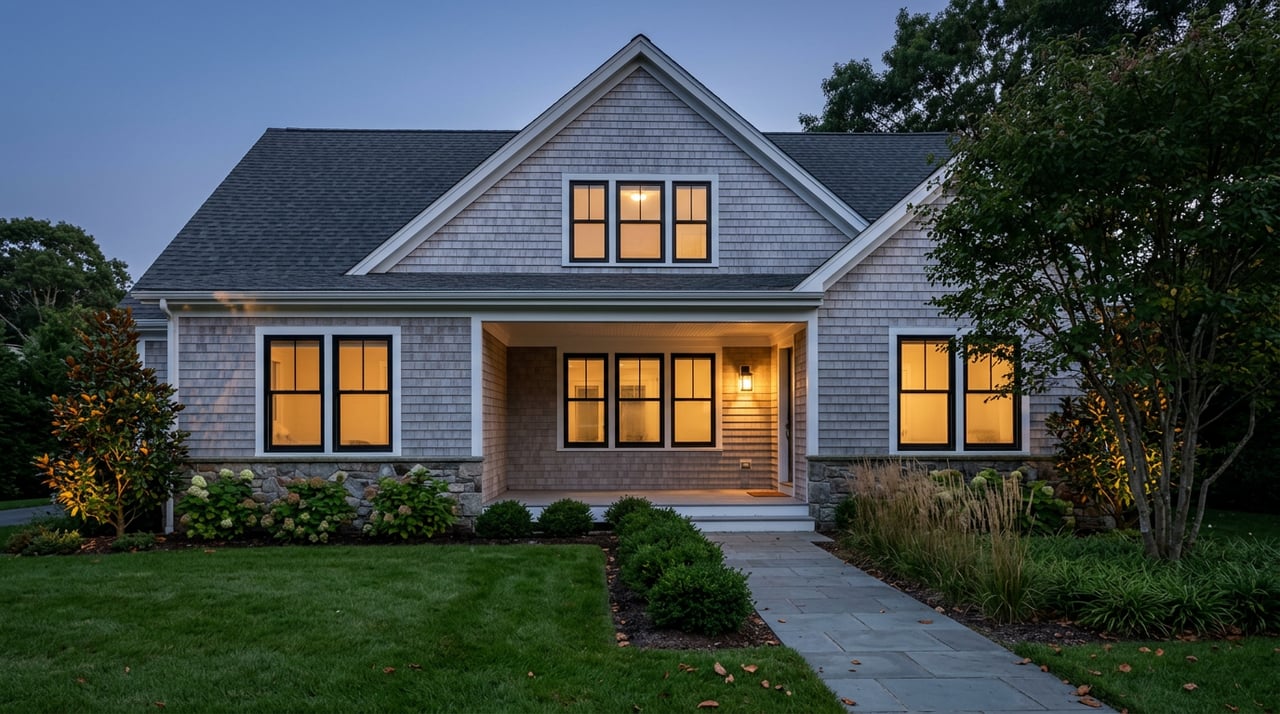
This is the one I hear most often. Buyers who've owned or renovated older shore properties know how fast a "manageable" project can spiral. New construction gives you a clean slate. Everything is under warranty, nothing needs immediate attention, and you can focus on enjoying the home rather than managing contractors.
Customization
If you're working with a builder early enough in the process, you get to make real choices: floor plan, finishes, outdoor living spaces, rooftop decks. That ability to build the home around how you actually want to live at the shore is genuinely valuable, and it's something a resale home can't offer.
What are the biggest challenges and costs buyers need to understand?
The premium on new construction at the shore is real, and it's not just the sticker price. Here's where buyers consistently get surprised.
Lot scarcity drives the starting price up before a single board is cut
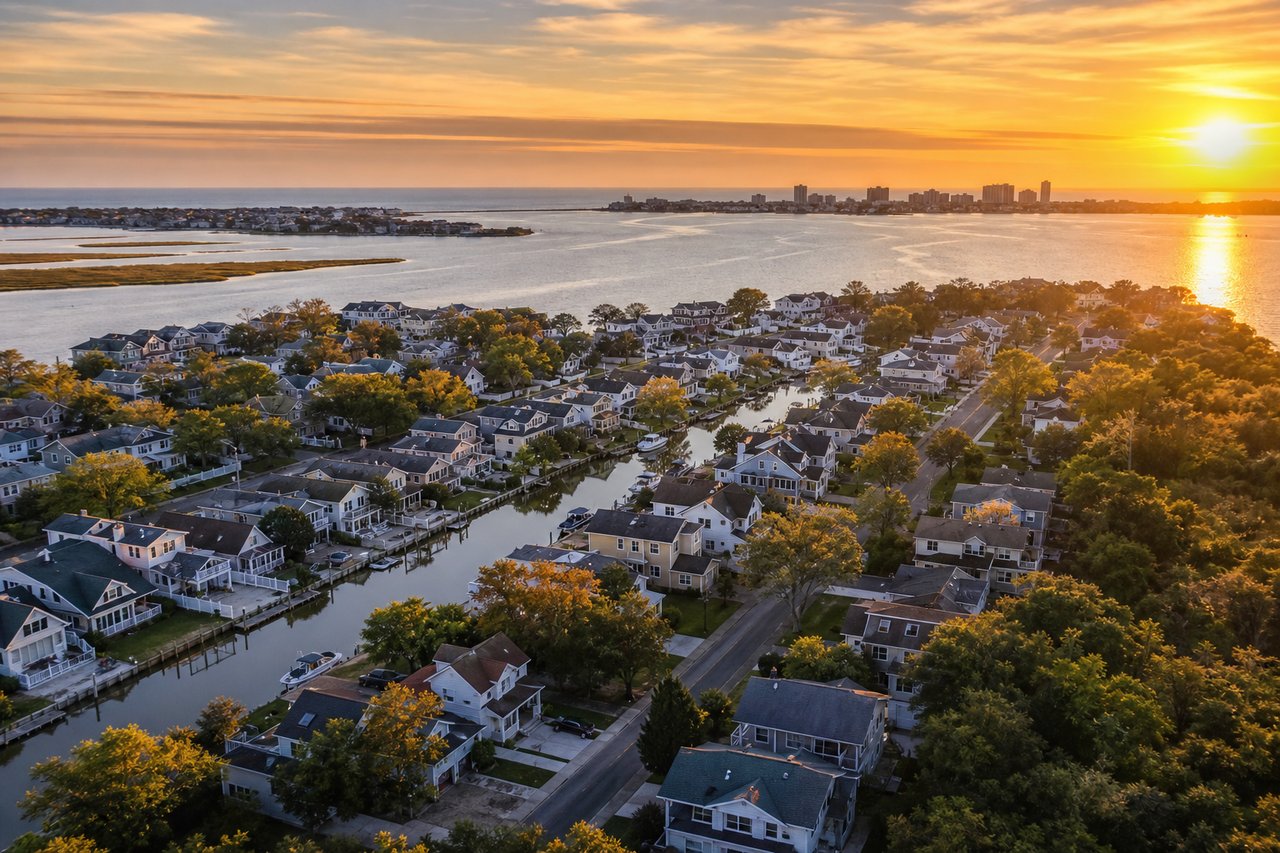
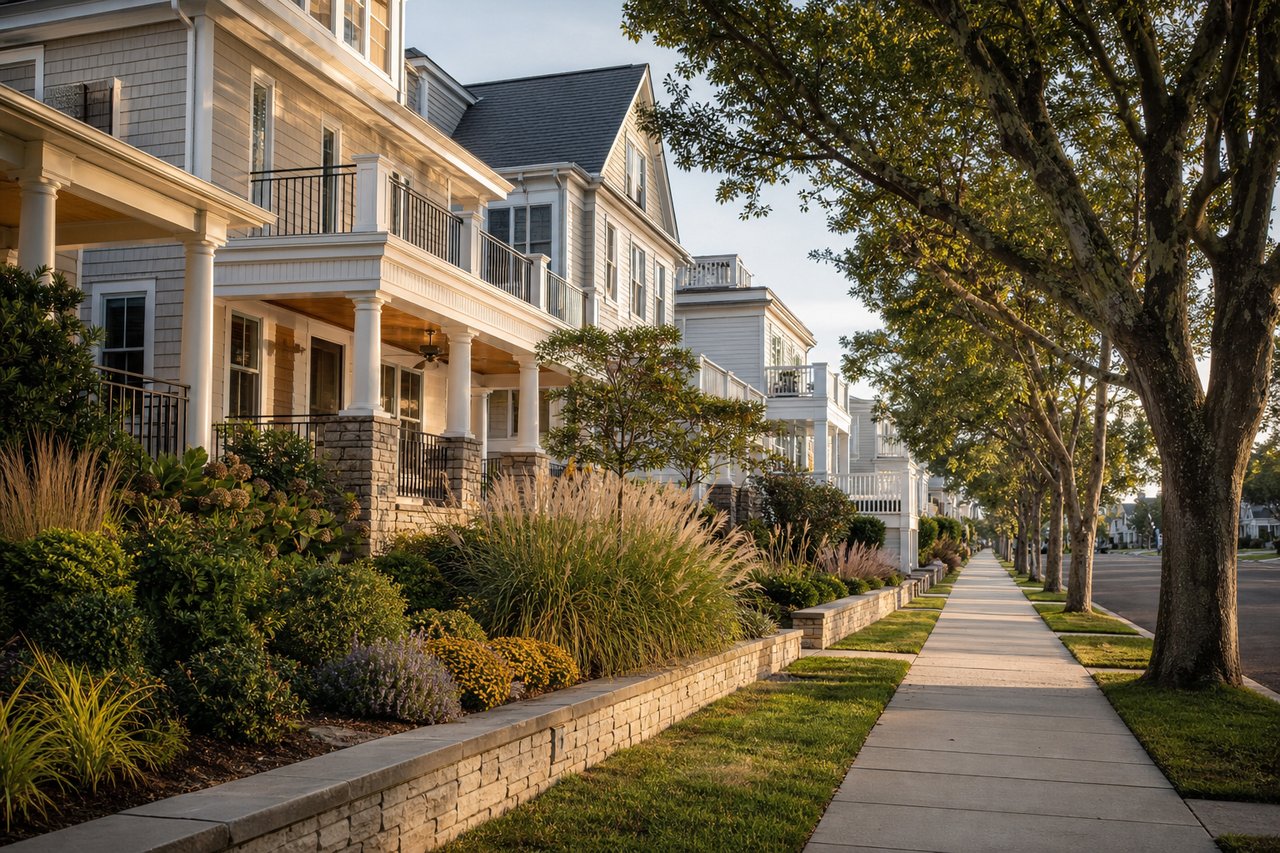
On the barrier islands, buildable vacant lots are genuinely rare. In Ocean City, Avalon, Stone Harbor, and similar communities, the vast majority of new construction starts with a tear-down. You're buying an older home, demolishing it, and building new. That means your land cost includes the purchase price of the existing structure plus demolition, and those numbers add up quickly. According to NAR research, land constraints in coastal markets are one of the primary drivers of new construction price premiums over resale inventory nationally, and the barrier islands are a concentrated version of that dynamic.
Flood elevation and FEMA compliance costs
New construction in coastal New Jersey must comply with current FEMA flood zone elevation requirements, and in many areas those requirements have become more stringent over time. Building a home higher off the ground costs more, but it also affects your long-term flood insurance premiums. The National Flood Insurance Program rates are directly tied to a home's elevation relative to the Base Flood Elevation on the applicable flood map. A new home built well above BFE will generally carry lower flood insurance costs than an older home that sits at or near grade. That's a long-term benefit, but the upfront construction cost is higher.
Permitting timelines are not predictable
Municipal permitting in shore towns can move slowly, particularly for new construction. Between local zoning review, state NJDEP Coastal Area Facility Review Act (CAFRA) requirements where applicable, and the sheer volume of permit applications in active markets, timelines that look manageable on paper can stretch considerably. I tell buyers to build real contingency into their timeline expectations, because a delay at the permit stage affects everything downstream, including financing and carrying costs.
The gap between base price and finished cost
Builder base prices are marketing numbers. By the time you've selected finishes, added outdoor living space, upgraded the kitchen and bathrooms, and addressed any site-specific requirements, the finished cost is almost always meaningfully higher. This is true everywhere, but it's amplified in a high-cost coastal market where even standard finishes carry a premium.
Construction timeline and carrying costs
A custom or semi-custom home on the barrier islands typically takes 12 to 24 months from groundbreaking to certificate of occupancy, sometimes longer. If you're financing the construction, you're carrying construction loan interest during that period. If you're planning to use the home for a specific summer season, build that timeline backward carefully and add buffer.
Factor | New Construction | Resale (Older Shore Home) |
|---|---|---|
Upfront price | Higher (lot scarcity + build costs) | Lower entry point in many cases |
Renovation risk | None at purchase | Often significant, especially in older stock |
Flood compliance | Built to current FEMA standards | May require costly upgrades to meet current standards |
Energy efficiency | Modern systems and insulation | Variable; older homes often inefficient |
Customization | High (pre-construction) | Limited without full renovation |
Time to occupancy | 12-24+ months from groundbreaking | Standard closing timeline (30-60 days typical) |
Warranty coverage | Builder warranties on systems and structure | As-is or negotiated home inspection items |
Every situation is different, and the only way to know whether new construction pencils out for your specific goals is to run through the numbers with someone who knows this market. That's exactly the kind of conversation I have with buyers before they make any commitments.
If you're weighing new construction against buying an existing home and doing a renovation, I'd also point you to my post on whether a fixer-upper in coastal Southern New Jersey is actually worth it, it covers the renovation side of that trade-off in detail. And if you're earlier in the process of deciding between buying and building from scratch, my buy-or-build guide for coastal Southern New Jersey walks through that decision framework.
For buyers who want to go deeper on the mechanics of new construction purchases specifically, I've also covered the full process in New Construction at the Jersey Shore: What to Know.
New construction on the island comes at a premium, but for buyers who don't want to walk into a renovation project, it's often worth it. The key is going in with clear eyes about what that premium actually covers, and making sure the finished home aligns with how you want to live at the shore, not just how it looks on a spec sheet.
I'd also encourage you to read reviews from buyers and sellers I've worked with on Google, Zillow, and Realtor.com to hear directly from people who've been through this process.
Frequently Asked Questions
Is new construction on the New Jersey barrier islands worth the premium price?
For many buyers, yes, but it depends on your priorities. New construction eliminates renovation risk, meets current flood elevation and building code standards, and gives you modern systems and finishes from day one. The premium is real and driven by lot scarcity, coastal construction costs, and FEMA compliance requirements. Whether it's worth it comes down to how you plan to use the home and whether the long-term cost profile fits your situation.
Why is new construction so expensive in shore towns like Ocean City and Avalon?
Buildable lots on the barrier islands are extremely scarce, which means most new construction starts with purchasing and demolishing an existing home. That land cost, combined with coastal building code requirements, FEMA elevation standards, and the general cost of construction in a high-demand market, pushes new build prices well above what you'd see for comparable square footage in an inland market. The New Jersey REALTORS® Cape May County market data reflects just how competitive this market has remained through mid-2026.
What are the biggest risks of buying a new build on a barrier island?
The three I see most often are permitting and construction delays, the gap between a builder's base price and the actual finished cost, and carrying costs during a construction period that can stretch 12 to 24 months or longer. Buyers who don't build enough timeline and budget contingency into their plan are the ones who end up stressed. Working with an agent who knows the local builder landscape and permit environment helps you set realistic expectations from the start.
Are flood insurance and elevation requirements higher for coastal new construction?
Yes. New construction in coastal New Jersey must be built to current FEMA flood map Base Flood Elevation requirements, and many municipalities require freeboard above that minimum. Building higher adds upfront cost, but it directly reduces your long-term National Flood Insurance Program premiums. A new home built well above BFE will typically carry meaningfully lower annual flood insurance costs than an older home sitting at or near grade.
Is tearing down an older shore house and rebuilding more common than buying vacant land?
On the barrier islands, tear-down-and-rebuild is by far the more common path because vacant lots are nearly impossible to find. Buyers purchase an older or smaller home, demolish it, and build new on the lot. This approach lets you get the land position you want in an established community, but it means your total cost includes the acquisition price, demolition, and the full build, all of which need to be factored into your budget from the start.
Do new homes on the barrier islands hold value better than older beach houses?
Generally, well-built new construction in desirable shore locations holds value well, partly because the barrier island supply of buildable land is so constrained. That said, value retention depends on location, construction quality, and the broader market environment, not just the age of the home. An older home in a prime location with solid bones can hold its value just as well. The best way to evaluate any specific property is with a current market analysis from someone who tracks this market closely.
If you're ready to explore what new construction looks like for your situation on the barrier islands, I'm happy to walk you through it. Reach out directly at [email protected], or watch episodes of Saltwater Living on YouTube to get a feel for the communities and the market before we talk.
Equal Housing Opportunity. Christopher Oliva is licensed in New Jersey as a Broker/Salesperson, regulated by the New Jersey Real Estate Commission (NJREC). This article is provided for general informational purposes only and does not constitute legal, tax, or financial advice. Readers should confirm all costs, requirements, and timelines with their title company, tax advisor, or lender based on their specific transaction.