Is buying a fixer-upper in coastal Southern New Jersey actually worth it?
A fixer-upper at the shore can be a real opportunity, but only when the discount clears the full cost of renovation, flood exposure, and carrying costs during construction. In mid-2026, sold-to-list ratios in Cape May and Atlantic Counties were running 97–98%, meaning sellers were holding firm on price. That tight market compresses the margin for error on a discounted property considerably.
Here's the honest answer I give every buyer who asks me this question: the math has to work three ways, not one. You need the purchase discount to beat the renovation cost, the flood-insurance premium, and the resale risk. When all three line up, a fixer-upper can be a terrific entry into a market that's otherwise hard to crack. When even one of them is off, you're looking at a money pit with an ocean view.
Let me walk you through how I think about this with clients who are seriously considering older shore homes.
The coastal fixer-upper calculus: discount versus real risk
The first thing to understand is that a lower list price on an older beach house is not automatically a deal. In many cases, the discount is already baked in by the market. Buyers, sellers, and agents in Ocean City, Margate, Avalon, and Stone Harbor all know what a dated or deferred-maintenance home is worth relative to a turnkey property. By the time you're looking at it, the price often reflects the condition.
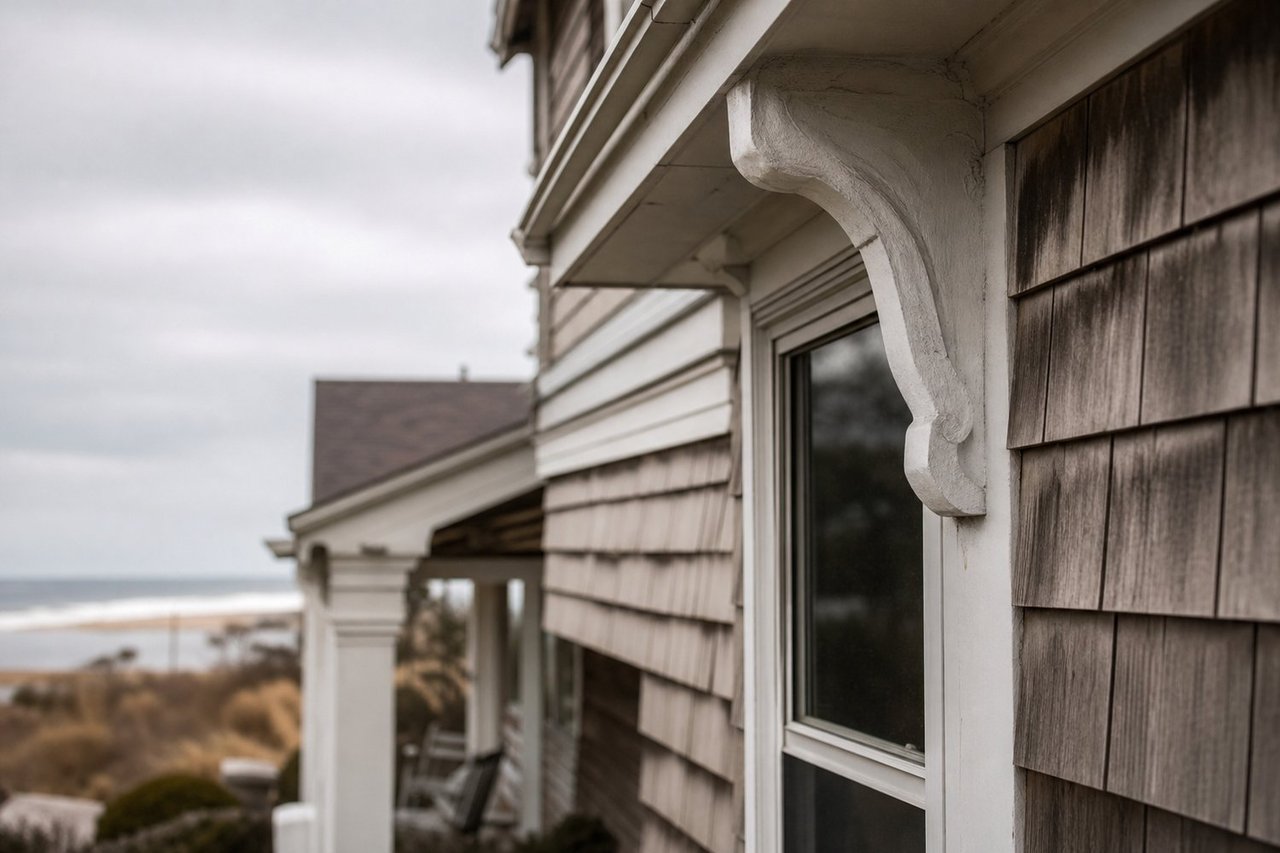
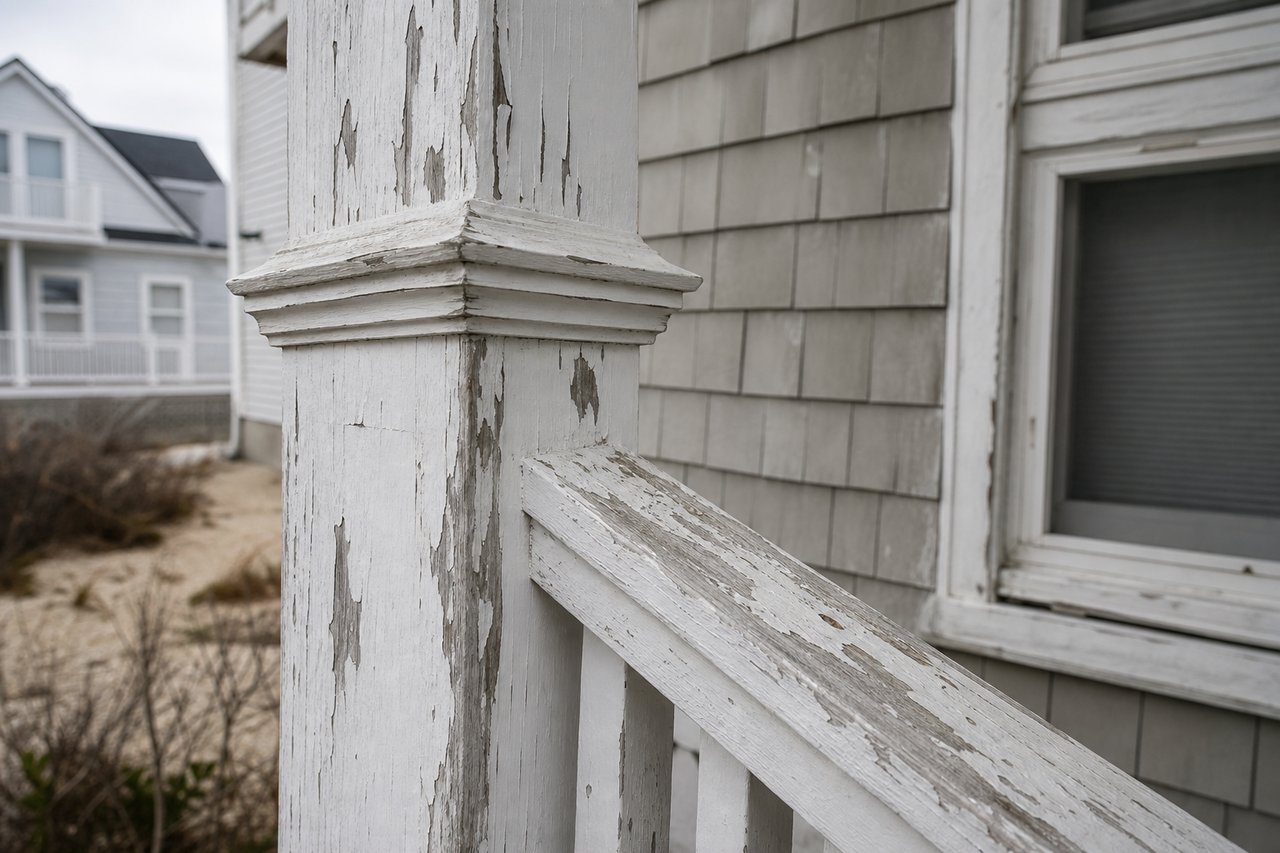
According to NAR's research division, renovation costs at the coast consistently run higher than inland markets because of salt-air corrosion, moisture exposure, and the need for marine-grade materials. What looks like a $50,000 discount can evaporate quickly once you're into a kitchen, HVAC, windows, and roofing on a 1970s shore colonial.
What the mid-2026 market data tells us
The most recent shore-specific data available, from June and July 2026, shows a meaningful price gap between the two counties that frame this market. Cape May County's median sold prices ranged from roughly $676,500 to $730,000 across those two reporting periods, while Atlantic County's ranged from approximately $377,000 to $414,100. Those figures come from Shore Real Estate NJ market updates covering mid-2026.
County | Median Sold Price Range (Jun–Jul 2026) | Sold-to-List Ratio |
|---|---|---|
Cape May County | $676,500 – $730,000 | ~97–98% |
Atlantic County | $377,000 – $414,100 | ~97–98% |
Those sold-to-list ratios matter a lot for fixer-upper buyers. When well-priced properties are moving within 2–3% of asking, there isn't much cushion in the negotiation. A home priced $80,000 below comparable turnkey properties may already be correctly priced for its condition, not undervalued.
That said, Atlantic County does offer a lower entry point, and some bayside neighborhoods in communities like Somers Point offer real value relative to the barrier island. If you're weighing those options, my post on buying waterfront property in Somers Point covers the trade-offs in more detail.
Flood exposure: the cost that changes everything
This is the variable that I see buyers underestimate most often. Standard homeowners insurance does not cover flood damage. Flood coverage must be purchased separately, either through the National Flood Insurance Program (NFIP) or a private flood insurer. For a fixer-upper that you're planning to carry through a renovation period, that premium is a real line item from day one, not something you add later.
New Jersey requires sellers to disclose FEMA flood-hazard status and any known flood risk before a buyer is obligated under contract, under New Jersey Revised Statutes § 56:8-19.2. That disclosure is your first checkpoint, but it's not the last. The seller discloses what they know, not what a flood-zone determination or elevation certificate will reveal.
Properties in FEMA's AE and VE flood zones, which cover large portions of the barrier island and bayfront neighborhoods in Cape May and Atlantic Counties, carry materially higher flood premiums than inland properties. A VE zone designation, common in oceanfront and oceanblock locations, reflects the highest coastal flood risk and can affect both insurance cost and lender requirements. Before you make an offer on any older shore home, I'd encourage you to check the FEMA Flood Map Service Center to understand the property's current zone designation.
Flood risk also affects resale. A buyer five years from now will face the same insurance math you're facing today, and the CFPB has noted that flood insurance costs and availability increasingly shape buyer demand in coastal markets. That's a resale risk worth pricing into your offer, not discovering after closing.
What to look for in an older shore home
New Jersey's Seller's Property Condition Disclosure Statement is a useful starting document, but treat it as a floor, not a ceiling. The form reflects the seller's knowledge as of the disclosure date, not an independent inspection. For an older coastal property, I tell buyers to use the disclosure to generate questions, then verify the answers through a thorough inspection by someone who knows shore construction.
The issues that bite buyers hardest in beach towns:
- Roof age and condition, especially on homes that have seen decades of salt-air exposure and nor'easter damage
- Prior water intrusion, including any history of flooding, storm surge, or chronic moisture in crawl spaces and basements
- HVAC and mechanical systems, which degrade faster in coastal environments than inland
- Foundation and pilings on elevated homes, where settlement or deterioration can be expensive and structurally significant
- Permitted versus unpermitted work, which is common in older shore homes where additions and improvements were done informally over decades
- Septic systems in areas not served by public sewer, particularly in Upper Township and bayside communities
- Termite and pest history, which is relevant in shore communities where older wood-frame construction is the norm
The New Jersey Division of Consumer Affairs confirms that sellers of residential property must complete the disclosure form as a standard part of the transaction. That gives you a documented starting point for every one of those questions above.
Fixer-upper versus new construction: where the real comparison lives
One question I get a lot is whether a discounted older home is a better value than new construction. It depends entirely on what you're buying and why.
New construction on the barrier island comes at a premium, but for buyers who don't want to manage a renovation, it's often worth it. You get current building codes, modern flood-elevation compliance, energy efficiency, and no deferred maintenance. The trade-off is price and lot availability. My post on new construction at the Jersey Shore walks through what to expect on that side of the decision.
A fixer-upper makes the most sense when:
- The discount is real and substantial, not just cosmetic pricing
- The structural bones are sound and the renovation scope is knowable before you close
- The flood-zone designation does not add catastrophic insurance or financing risk
- You have the time, capital, and tolerance to carry the property through a renovation
- The location is strong enough that a finished product will command a price that justifies the work
If any of those conditions are uncertain, the risk profile changes significantly. And in a market where inventory is still tight and sellers aren't desperate, you rarely get the luxury of a wide margin.
For a deeper look at the build-versus-buy trade-off more broadly, the team's post on buying versus building in coastal Southern New Jersey covers the full comparison.
Every situation is different, and the only way to know whether a specific property's numbers work is to run them carefully with someone who knows this market. That's exactly the conversation I have with buyers before they make an offer on an older shore home.
I'd also encourage you to read what other buyers and sellers have said about working with our team. You can find reviews on Google, Zillow, and Realtor.com.
Frequently Asked Questions
Is a fixer-upper in Cape May County a better value than one in Atlantic County?
Not necessarily. Cape May County's median sold prices in mid-2026 were running $676,500 to $730,000, compared to $377,000 to $414,100 in Atlantic County, which means the entry price for a fixer-upper is lower on the Atlantic County side. However, value depends on the specific location, flood-zone designation, and renovation scope, not just the county. A well-located bayside property in Atlantic County can offer a lower purchase price with comparable lifestyle access, while a Cape May County fixer-upper in a prime beach town may carry a premium even in poor condition.
How much does flood risk affect resale value in South Jersey shore towns?
Flood risk affects resale in two ways: it raises the carrying cost for future buyers (through insurance premiums), and it can complicate financing if flood-insurance requirements change. Properties in FEMA AE and VE zones face the highest exposure, and as flood-insurance costs have risen, buyer sensitivity to zone designation has increased. When you're evaluating a fixer-upper, factor in not just your own insurance cost today, but the insurance environment the next buyer will face when you sell.
What should I check before buying an older beach house in New Jersey?
Start with the Seller's Property Condition Disclosure Statement, which New Jersey requires sellers to complete, and use it to generate questions for your inspector. The highest-risk items in older shore homes are roof condition, prior water intrusion or flooding, foundation and pilings, HVAC systems, and permitted versus unpermitted additions. Also verify the FEMA flood-zone designation independently through the FEMA Flood Map Service Center, since flood status affects insurance, financing, and resale.
Do I need flood insurance for a shore property in coastal New Jersey?
If the property is in a FEMA Special Flood Hazard Area (zones AE or VE), your lender will almost certainly require flood insurance as a condition of the mortgage. Even if it's not required, standard homeowners insurance does not cover flood damage, so purchasing separate flood coverage is strongly advisable for any coastal property. Flood insurance is available through the National Flood Insurance Program or private carriers, and premiums vary significantly based on the property's elevation and zone designation.
How much room is there to negotiate on an older shore home?
Less than most buyers expect in the current market. Sold-to-list ratios in mid-2026 were running 97–98% across Cape May and Atlantic Counties, meaning well-priced properties were moving very close to asking. A fixer-upper may be priced below turnkey comparables, but that discount is often already reflecting the known condition, not leaving room for further negotiation. Your leverage increases when you can document specific repair costs through a pre-offer inspection or contractor estimate.
Are bayside neighborhoods in South Jersey less risky than oceanfront areas for fixer-uppers?
Bayside locations can carry lower flood-zone designations than oceanfront properties in some cases, but not always. Many bayfront and back-bay properties in communities like Somers Point, Margate, and Ventnor are still in AE flood zones, which carry significant insurance requirements. The key is to check the specific parcel's FEMA designation and elevation certificate, not to assume that distance from the ocean means lower flood risk. Bayside can offer a lower purchase price, but flood exposure needs to be verified property by property.
The bottom line on coastal fixer-uppers
A fixer-upper at the shore can absolutely be worth it, but the math has to clear renovation costs, flood exposure, and resale risk, not just the sticker-price discount. In a market that's still holding firm on price as of mid-2026, that bar is higher than it looks.
If you're seriously considering an older shore home in Ocean City, Margate, Avalon, Stone Harbor, Ventnor, or anywhere along the Southern New Jersey coast, let's run the numbers together before you make an offer. Reach out directly at [email protected], or watch how I approach the coastal market on my show at Saltwater Living on YouTube.
Equal Housing Opportunity. Christopher Oliva is licensed in New Jersey as a Broker/Salesperson, regulated by the New Jersey Real Estate Commission (NJREC). This article is provided for general informational purposes only and does not constitute legal, tax, or financial advice. Readers should confirm all costs, flood-zone designations, insurance requirements, and transaction details with their title company, tax advisor, lender, or other qualified professional.