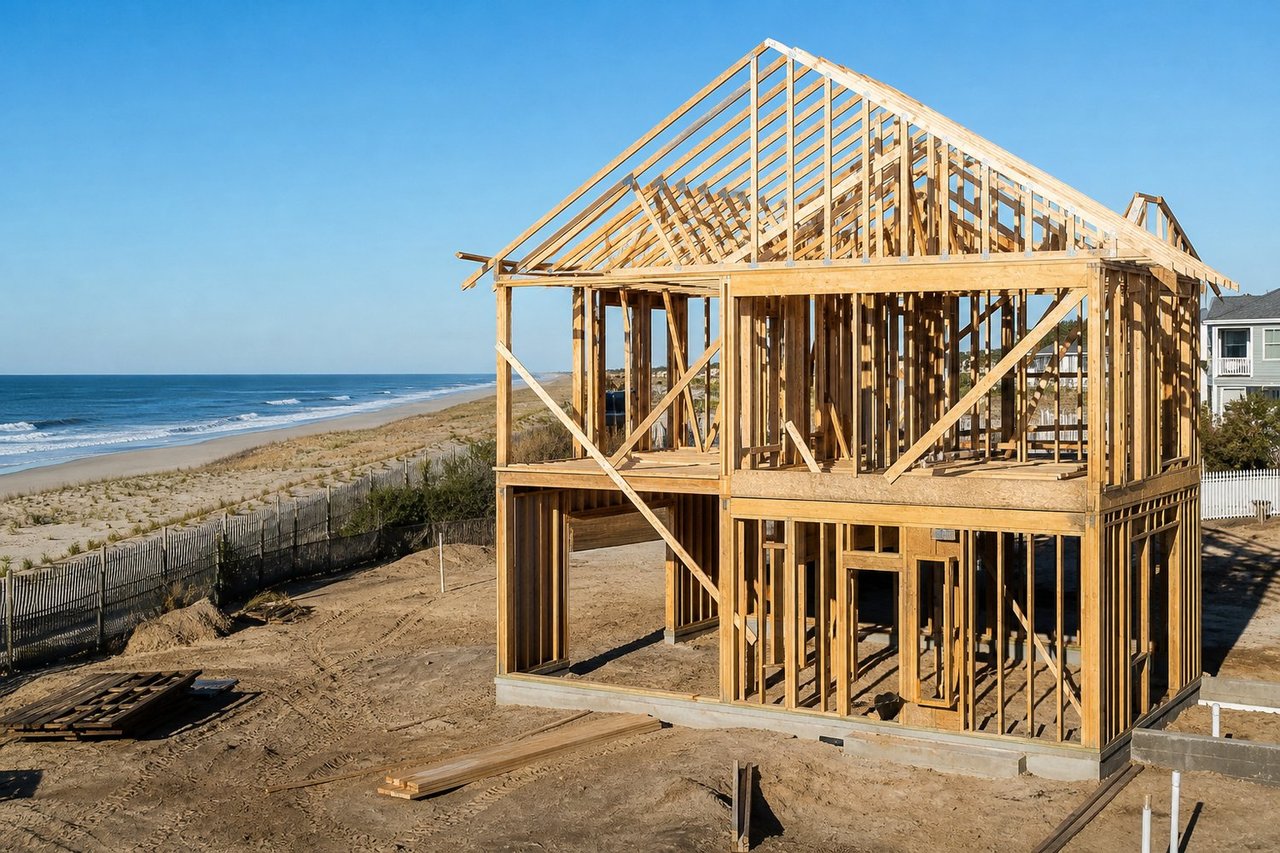
What happens after you accept an offer on your New Jersey home?
After you accept an offer in New Jersey, the contract is not immediately binding. A mandatory 3-business-day attorney review period begins first, during which either side can cancel or renegotiate. Once that window closes, the deal moves through inspections (typically 10–14 days), appraisal and mortgage commitment (roughly 30–45 days from the end of attorney review), title work, and finally a closing coordinated by your title company, a process that generally runs 45 to 75 days total in Coastal Southern New Jersey, though coastal-specific factors like flood zones and condo association approvals can extend that timeline.
Key Takeaways
- In New Jersey, a broker-prepared residential contract is not binding until the 3-business-day attorney review period expires without a disapproval letter from either side's attorney.
- The inspection window, typically 10–14 calendar days after attorney review concludes, is when buyers can request repairs, credits, or cancellation based on what their inspectors find.
- The mortgage commitment deadline is negotiated in the contract and commonly falls 30–45 days after attorney review; missing it can put the buyer's deposit at risk.
- Coastal Southern New Jersey properties in FEMA flood zones add an extra layer of complexity: flood insurance requirements and elevation certificates can surface during financing and delay or derail a deal.
- Closing in New Jersey is handled by a title company (often at the title company's or attorney's office), not by an escrow officer as in many other states.
What is the attorney review period in New Jersey, and when does your contract actually become binding?
The contract becomes binding only after the 3-business-day attorney review period closes without a cancellation or unresolved modification from either side. This is one of the most misunderstood parts of selling a home in New Jersey, and it matters a lot.
Here's how it works: once both you and the buyer have signed the contract and fully executed copies are delivered to both parties, the three-business-day clock starts on the next business day. Saturdays, Sundays, and New Jersey legal holidays don't count. The period ends at 11:59 p.m. on the third business day. Under New Jersey Real Estate Commission rules (N.J.A.C. 11:5-6.2), this review clause is required in contracts prepared by a licensed real estate agent on a standard pre-printed form.
During those three days, both your attorney and the buyer's attorney review the contract. Either one can send a written "disapproval" letter, and here's the part that surprises sellers: they can disapprove the contract for any reason at all. That doesn't automatically kill the deal. It opens a negotiation. The attorneys exchange riders (amendments) covering inspection contingency details, mortgage and appraisal terms, inclusions and exclusions, the closing date, and any rent-back arrangement you might need.
If no disapproval letter is sent and the parties don't agree on changes, the contract becomes binding at the end of day three. If attorneys are still negotiating riders when the period technically expires, the deal typically continues under an informal extension until both sides sign off, but your attorney will manage that. According to New Jersey Real Estate Commission guidance, this attorney-centric process is distinct from how most other states handle residential contracts, and it's one reason I always tell sellers to have their attorney lined up before we even list.
The deal can fall apart here. If the buyer's attorney disapproves and the parties can't agree on revised terms, either side can walk away cleanly. This is the most common "clean exit" point in a New Jersey transaction, no inspection fight, no deposit dispute, just a failed negotiation during review.
What your attorney negotiates during those three days
- Inspection contingency: which types of inspections are allowed, the timeline, and what thresholds define a "major defect" that lets the buyer cancel
- Mortgage and appraisal contingency language and deadlines
- Personal property inclusions and exclusions (appliances, outdoor furniture, dock equipment)
- Closing date and possession: whether you get keys at closing or negotiate a post-closing occupancy arrangement
- Any coastal-specific riders: flood insurance obligations, elevation certificate delivery, condo association documents
What happens during inspections, and what can buyers use to cancel or renegotiate?
Once attorney review concludes and the contract is binding, the inspection clock starts, and in New Jersey, that window is typically 10 to 14 calendar days, though some competitive contracts shorten it to 7. This timeline is negotiated, not fixed by law, so whatever was agreed in your attorney review riders controls.
Buyers in Coastal Southern New Jersey routinely order more than just a general home inspection. Depending on the property and what the inspection rider allows, expect some combination of:
- General home inspection
- Wood-destroying insect (termite) inspection
- Radon testing
- Underground oil tank sweep (common in older shore properties)
- Mold or air-quality testing
- Septic inspection (for mainland and Upper Township properties not on public sewer)
- Sewer scope
By the inspection deadline, the buyer's attorney delivers a written response. That response typically does one of four things: requests specific repairs, asks for a credit at closing in lieu of repairs, accepts the property as-is, or cancels the contract under the inspection contingency. You then have a window to respond, and if you can't reach an agreement, the buyer can walk and get their deposit back.
According to Matus Law's New Jersey home inspection guide, the most common deal-killers at this stage are major structural issues, significant water intrusion, failing septic systems, and environmental findings like underground oil tanks. A buyer who discovers a buried oil tank on a shore property has real leverage, remediation costs can run high and lenders often won't fund without a clean environmental report.
Coastal-specific inspection issues to expect
Flood zone status is a major one. Many properties in Ocean City, Margate, Ventnor, Avalon, and Stone Harbor sit in FEMA-mapped high-risk flood zones. If the buyer's lender requires flood insurance and the cost comes back higher than the buyer expected, especially if an elevation certificate reveals the structure is below base flood elevation, the buyer may push for a price reduction or exercise their financing contingency to cancel. Sellers who have an existing elevation certificate should have it ready to share early; it can prevent surprises later. You can check a property's flood zone status through the FEMA Flood Map Service Center.
If your property is a condo or part of a homeowners association, the buyer's attorney will also need the association's resale package: current budget, meeting minutes, rules and regulations, and any pending special assessments. Delays in getting those documents from a management company can hold up the buyer's mortgage underwriting and push back your closing, and in busy summer months, shore-town management companies are not always fast.
How do appraisal, mortgage commitment, and title work fit into the timeline?
These three tracks run roughly in parallel after inspections wrap, and each one carries its own risk.
Appraisal
For any financed purchase, the buyer's lender orders an appraisal as part of underwriting. The appraiser visits the property and produces a value opinion based on recent comparable sales. If the appraised value comes in below your contract price, you have a problem. The lender won't fund the gap, they'll only lend against the appraised value. That leaves three options: you reduce the price to the appraised value, the buyer makes up the difference in cash, or you negotiate a split somewhere in between. If you can't agree, the buyer may be able to cancel under the appraisal or financing contingency, depending on how the contract was written.
Coastal vacation-home appraisals can be tricky because comparable sales are sometimes thin, especially for unique oceanfront or bayfront properties. I've seen appraisers pull comps from towns 15 miles away when there simply aren't enough recent sales on the island. That's a conversation worth having with your attorney before you get there.
Mortgage commitment
The mortgage commitment letter is the lender's written promise to fund the loan under defined conditions. Your contract specifies a deadline, commonly around 30 to 45 days after attorney review concludes, though this is negotiated. If the buyer misses that deadline without a valid extension, they may be in default under the contract. According to Brittani.ai's New Jersey buyer contingency deadlines guide, failure to secure a commitment on time can put the buyer's deposit at risk, depending on the contract language and how the default is handled.
Common reasons buyers miss the commitment deadline: credit issues that surface during underwriting, income documentation problems, a debt-to-income ratio that's too high, or a property-specific issue (like the condo association's financials failing the lender's review). As a seller, you want to watch this deadline closely with your attorney. If the buyer is running late, your attorney needs to know.
Title work
While the buyer is working through financing, the title company is running a title search on your property. They're checking for recorded deeds, open mortgages, judgment liens, tax liens, unpaid water and sewer bills, municipal code violations, and any other encumbrances. According to New Jersey Real Estate Commission rules and standard closing practice, the title company must confirm you can deliver clear, marketable title before the closing can proceed.
In coastal Southern New Jersey, title searches sometimes surface recorded easements, beach access rights, dune maintenance obligations, shared driveway agreements, that need to be disclosed and understood by the buyer. Open permits are another common issue: a deck or addition that was built without a permit, or a permit that was pulled but never closed out with the municipality. Those need to be resolved before closing, and resolving them takes time.
Some coastal municipalities also require a certificate of occupancy or smoke/carbon monoxide detector inspection before the deed can be recorded. Requirements vary by town, so your attorney and listing agent will confirm what applies to your specific property.
Typical timeline from accepted offer to closing
Stage | Typical Timeframe | What Can Go Wrong |
|---|---|---|
Attorney review | Days 1–3 (business days) | Either side cancels; parties can't agree on riders |
Inspections | 7–14 calendar days after attorney review | Major defects discovered; repair negotiations fail |
Appraisal ordered | Weeks 2–4 | Low appraisal; buyer and seller can't agree on price adjustment |
Mortgage commitment | ~30–45 days after attorney review | Buyer fails underwriting; commitment deadline missed |
Title search and clearance | Weeks 2–6 | Open liens, unpaid taxes, unresolved permits, or easement disputes |
Closing scheduled and completed | Weeks 6–10 (total from offer acceptance) | Lender delays, scheduling conflicts, last-minute title issues |
These timeframes reflect standard New Jersey practice as described in current guides from New Jersey Real Estate Commission rules and multiple New Jersey title agency and law firm process overviews. Every deal is different, and yours may move faster or slower depending on how the contingencies were written and how quickly each party performs.
What happens at closing, and what can still derail the deal in the final stretch?
Closing in New Jersey is handled by a title company, typically at the title company's office or an attorney's office, where documents are signed, funds are disbursed, and the deed is recorded. This is different from states that use a mail-away escrow process; in New Jersey, the parties (or their attorneys) are generally present.
In the days before closing, the title company prepares the final settlement statement (the Closing Disclosure for financed transactions), which shows all the debits and credits for both sides. Your attorney reviews it, confirms the payoff figure on your existing mortgage, and verifies that any agreed credits are reflected correctly. The CFPB's Closing Disclosure explainer is a useful reference for understanding what each line means.
New Jersey also imposes a Realty Transfer Fee on recorded deeds, administered by the New Jersey Division of Taxation. The fee is calculated on brackets of consideration per the statute; some categories qualify for reduced rates. In common practice, the seller covers this fee, but it's negotiable between the parties, your contract controls, and your attorney will confirm how it was allocated in your deal. I won't put a number on it here because the right figure for your situation depends on your sale price and any applicable exemptions; that's exactly the kind of thing to confirm with your attorney and title company.
What can still go wrong in the final stretch? A few scenarios I've seen:
- Last-minute lender conditions: The buyer's lender issues a last-minute condition (updated pay stub, letter of explanation, updated insurance binder) that delays the clear-to-close.
- Scheduling conflicts: In the vacation-home market, buyers are often out-of-state. Coordinating schedules, remote signings, or power-of-attorney arrangements can add days.
- Walk-through issues: The buyer's final walk-through reveals something that wasn't disclosed or an agreed repair that wasn't completed. This can delay closing or trigger a last-minute credit negotiation.
- Title clearance delays: A judgment lien that was identified late, a payoff that takes longer than expected to process, or a municipal inspection that fails.
The best way to protect yourself through all of this is to stay in close communication with your attorney and your listing agent. Every deadline in your contract is real, and missing one, on either side, can have consequences. That's something I walk every seller through before we go under contract, so there are no surprises.
For a broader look at the full seller timeline from listing to keys, see the NJ Seller Timeline: Offer to Closing Explained on the Saltwater Living Team blog. And if you're weighing whether to sell first before buying your next home, Sell Before You Buy in Coastal Southern NJ breaks down that decision for this specific market.
If you want to know where you stand specifically, your property, your timeline, your buyer's contract, that's a conversation I'm happy to have. Reach out at [email protected] and I'll walk you through it. You can also watch episodes of Saltwater Living on YouTube to see how I approach coastal real estate from the inside.
Read what past clients have said about working with the Saltwater Living Team on Google, Zillow, or Realtor.com.
FAQ
Once I accept an offer on my New Jersey home, when is the contract actually binding?
The contract is not binding until the 3-business-day attorney review period expires without a written disapproval from either side's attorney. The clock starts the first business day after both parties receive a fully executed copy of the contract, and it ends at 11:59 p.m. on the third business day, excluding Saturdays, Sundays, and New Jersey legal holidays. Until that window closes, either side can cancel or propose changes.
What exactly happens during attorney review in New Jersey, and can either side back out for any reason?
Yes, during attorney review, either party's attorney can send a written disapproval letter for any reason, effectively canceling the contract or opening renegotiation. In practice, attorneys use this period to add riders covering inspection terms, mortgage contingency deadlines, inclusions and exclusions, and closing date. If the attorneys reach agreement on riders, the contract becomes binding when both sides sign off; if they can't agree, either side can walk away cleanly with no deposit consequences.
How long does the inspection period last after attorney review in New Jersey, and what issues let buyers cancel?
The inspection period is typically 10 to 14 calendar days after attorney review concludes, though it's negotiated and can be as short as 7 days in competitive contracts. Buyers can cancel, or request repairs or credits, based on findings from a general home inspection and any specialty inspections allowed under the rider (termite, radon, underground oil tank, mold, septic, sewer scope). Whether a specific finding lets a buyer cancel outright or only entitles them to negotiate depends on the inspection contingency language in your contract.
If the appraisal comes in low on my New Jersey home sale, what are my options?
A low appraisal means the lender won't fund above the appraised value, so the gap has to be resolved one of three ways: you reduce the price to the appraised value, the buyer brings additional cash to cover the difference, or you negotiate a split. If the parties can't agree and the contract includes an appraisal or financing contingency, the buyer may be able to cancel and recover their deposit. In coastal Southern New Jersey, appraisals on waterfront or oceanfront properties can be challenging because comparable sales are sometimes limited, something worth discussing with your attorney and agent before you get to that stage.
What does the title company do after we're under contract, and what title problems could delay closing?
The title company runs a full title search on your property, checking for open mortgages, judgment liens, tax liens, unpaid municipal bills, code violations, open permits, and recorded easements. Any issue that clouds title has to be resolved before the deed can be recorded. Common problems in coastal Southern New Jersey include open building permits, recorded beach-access or dune easements, and unpaid water and sewer balances. Some coastal municipalities also require a certificate of occupancy or smoke/CO inspection before closing, requirements vary by town, so your attorney will confirm what applies to your property.
How far out is closing usually scheduled after offer acceptance in coastal South Jersey?
Most transactions in coastal Southern New Jersey close 45 to 75 days after the offer is accepted, depending on how quickly the buyer's lender moves, how cleanly the title search comes back, and whether any inspection issues required negotiation. Vacation-home and second-home transactions can run longer because buyers are often out of state and lender processing for non-primary residences sometimes takes more time. Your contract specifies a target closing date, but that date is often adjusted by mutual agreement as the deal progresses.
Equal Housing Opportunity. Christopher Oliva is a licensed Broker/Salesperson in the State of New Jersey, regulated by the New Jersey Real Estate Commission (NJREC). This article is provided for general informational purposes only and does not constitute legal, tax, or financial advice. Transaction timelines, costs, and procedures vary by property and contract. Confirm all figures and requirements with your title company, real estate attorney, tax advisor, or lender.