What happens after a seller accepts an offer in New Jersey?
Accepting an offer in New Jersey does not mean you're immediately under contract. The process moves through a mandatory attorney review period first, then inspections, appraisal, title clearance, and finally closing. Each phase has NJ-specific rules and negotiation windows that differ from most other states, and in a coastal shore market like Cape May or Atlantic County, there are additional layers around flood zones, association dues, and seasonal timing that can affect every step.
The NJ Seller Timeline, Step by Step
Step 1: Offer Accepted (Day 0)
When you sign the buyer's offer, the clock starts. Your agent circulates the fully executed contract to both sides. But here's what most sellers don't realize: you are not legally bound yet. New Jersey is one of the few states where the contract is not binding at signature, attorney review comes first.
Step 2: The Three-Day Attorney Review Period
The three-day attorney review period is one of the most misunderstood steps in a New Jersey real estate transaction. According to NJ Closing Guide, the three-day clock begins the first business day after both buyer and seller have received a fully executed copy of the contract. Saturdays, Sundays, and legal holidays do not count.
During this window, both attorneys review the contract and can disapprove it, propose modifications, or let it stand. In practice, most deals don't die here, but they do get refined. Riders covering items like septic systems, well water, condo and HOA documents, flood insurance, and existing seasonal rentals are commonly negotiated during this phase. On the shore, I see attorney review run longer than three days when there are condo association documents to review or coastal-specific riders to negotiate. That's normal, and it doesn't mean the deal is in trouble.
Once both attorneys sign off without disapproval, the contract becomes binding and the earnest money deposit moves into escrow.
Step 3: Seller's Property Condition Disclosure
New Jersey sellers are required to complete the Seller's Property Condition Disclosure Statement, a statewide form issued by the New Jersey Division of Consumer Affairs. Under N.J. Admin. Code § 13:45A-29.1, sellers must disclose any known material defects in the property, even if a specific defect isn't addressed by a printed question on the form.
The August 2024 revision of the instruction sheet for this form reinforces that the disclosure does not replace the buyer's own inspections, it's your representation of what you know. Fill it out carefully and honestly. Your attorney will advise you on how to handle anything that falls in a gray area.
Step 4: Inspections
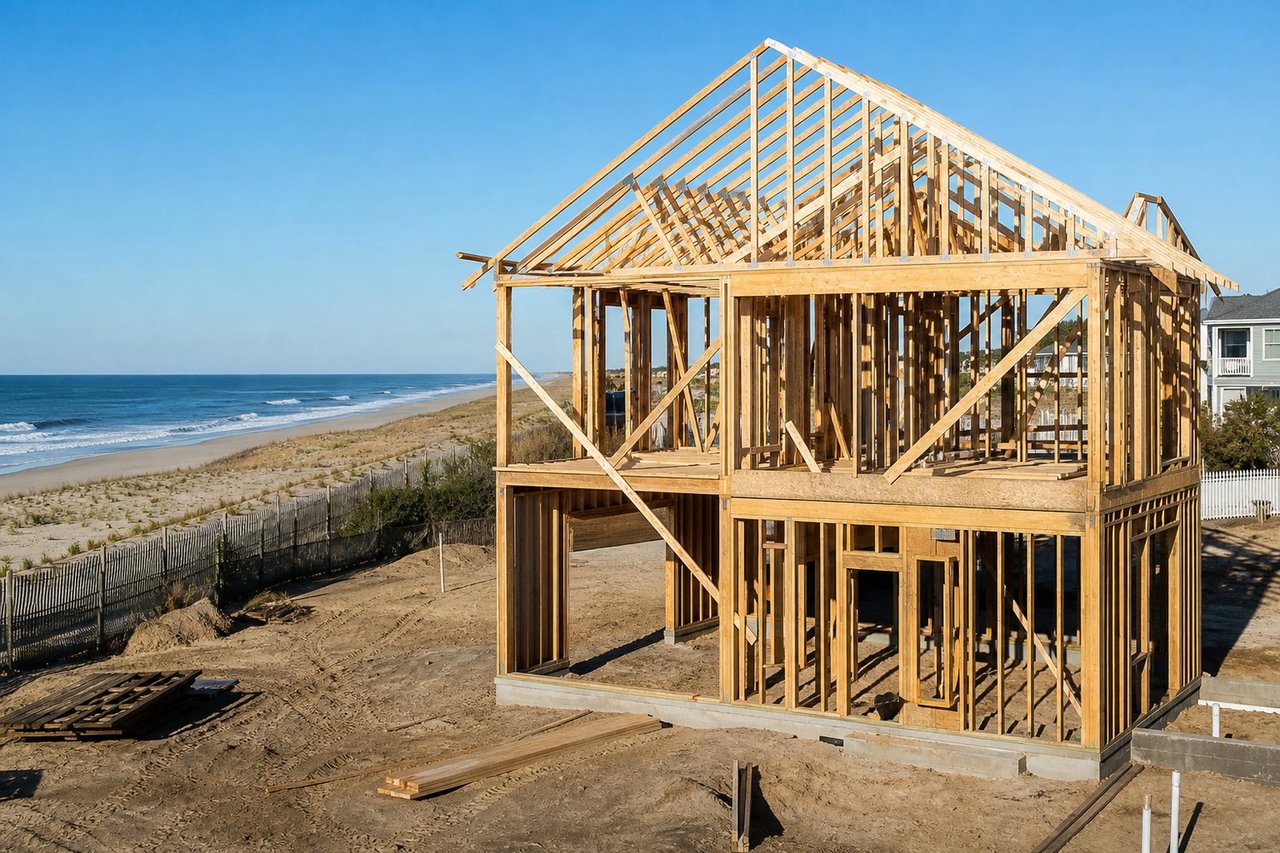
After attorney review concludes and the contract is binding, the buyer schedules inspections within a defined window spelled out in the contract. In coastal South Jersey, a standard transaction typically involves a general home inspection plus several property-specific ones: termite, radon, and, depending on the property, chimney, pool, structural or foundation (common in older shore homes), and roof or wind-resistance inspections for barrier island properties.
Once the buyer's inspector issues a report, the buyer's side sends a repair request or credit request. As the seller, you have options: agree to repairs, offer a closing credit, negotiate a combination, or decline. If you and the buyer can't reach agreement, the contract's inspection contingency language governs whether the buyer can walk away. I walk my clients through the inspection response before we ever get there, so there are no surprises when the report lands.
Step 5: Appraisal and Financing
The buyer's lender orders the appraisal after attorney review is complete. If the appraised value comes in at or above the contract price, this step moves quietly in the background. If it comes in low and the buyer has an appraisal contingency, you're back at the negotiating table, typically through attorney-to-attorney communication, to discuss a price adjustment, a split of the gap, or in some cases, a contract termination.
Shore properties can present appraisal complexity. Comparable sales in a coastal market are sometimes limited, especially for waterfront or bayfront homes, and appraisers working these markets need to understand local value drivers. That's one reason having an experienced local agent matters, I can provide your attorney with relevant comps and context if an appraisal comes in short.
Step 6: Title Search and Clearance
While inspections and appraisal are underway, the title company runs a search through the relevant county records. For Cape May County transactions, that's the Cape May County Clerk's Office; for Atlantic County, it's the Atlantic County Clerk's Office. The title company identifies any liens, judgments, or encumbrances on the property, and your attorney coordinates payoffs and clearances.
In coastal Southern NJ, where second homes and condos are common, title work routinely surfaces issues that are less frequent inland: association liens, special assessments, flood-zone designations, and in some cases riparian rights questions. These don't kill deals, but they can extend the title-clearance phase. Your attorney and the title company handle the mechanics, your job is to respond quickly when they need documents or authorizations from you.
The title company also prepares the settlement statement, coordinates with the county clerk for deed recording, and handles the New Jersey Realty Transfer Fee documentation required by the NJ Division of Taxation.
Step 7: Pre-Closing Walk-Through and Closing Day
The buyer typically does a final walk-through the day before or morning of closing to confirm the property's condition and that any agreed repairs were completed. Make sure the property is in the condition the contract requires, this is not the time for surprises.
Closing in New Jersey can happen at the title company's office, an attorney's office, or in some cases remotely depending on lender requirements and local practice. You'll sign the deed and transfer documents; the buyer signs loan documents. The Realty Transfer Fee and county recording fees are collected at closing, and the deed is recorded with the county clerk.
Some coastal municipalities also have local requirements, smoke and CO inspections, rental registration certificates, or certificates of occupancy, that must be satisfied before or at closing. These vary by town, so your attorney and agent will flag what applies to your specific property.
What the Market Looks Like Right Now in Coastal South Jersey
Understanding the timeline matters more when you know what kind of market you're selling into. According to the most recent county-level MLS data from New Jersey REALTORS® / 10K Research, Cape May County data runs through June 2026, the latest available as of this writing. For market color, Zillow's Cape May County page (a portal, not an official source) reports that as of June 30, 2026, median days to pending were 32 days and 21.1% of sales closed over list price, competitive, but not the frenzied pace of a few years ago.
In Atlantic County, the most recent NJ REALTORS® / 10K Research data runs through July 2026. For additional context, Redfin (portal-level data, not official) reported Atlantic County home prices up 2.1% year-over-year for the three months ending June 2026, with a median sale price of $418,000 for that period.
These are the most recent figures available as of August 24, 2026. Shore markets tend to cool in fall and winter, and that seasonal shift can affect how quickly you can schedule inspections and appraisals, something worth factoring into your closing timeline if you're selling now or planning to list this fall.
Phase | Who Drives It | Typical Timing | Key Seller Action |
|---|---|---|---|
Attorney Review | Both attorneys | 3 business days (can extend) | Engage your attorney immediately |
Disclosure Delivery | Seller / Seller's attorney | Early in contract period | Complete Property Condition Disclosure honestly |
Inspections | Buyer (with seller response) | Defined window after attorney review | Prepare for repair/credit negotiation |
Appraisal | Buyer's lender | After attorney review concludes | Provide access; respond if value is low |
Title Search and Clearance | Title company / Seller's attorney | Concurrent with inspections/appraisal | Respond quickly to payoff and lien requests |
Walk-Through | Buyer | Day before or morning of closing | Complete repairs; leave property as contracted |
Closing | Title company / Attorneys | Typically 30-60 days from binding contract | Sign deed and transfer documents |
Every deal is different, and the only way to know exactly what your timeline looks like is to work through it with someone who knows this market. That's exactly the kind of conversation I have with sellers before we even list.
If you're selling a shore property and want to understand how these steps apply to your specific home, I'm happy to walk you through it. You can also read what past clients have said about working with the Saltwater Living Team on Google, Zillow, and Realtor.com.
Frequently Asked Questions
After the seller accepts my offer in New Jersey, am I really under contract or still in attorney review?
You are in attorney review, not yet under a binding contract. In New Jersey, the contract does not become legally binding at the moment of signing. The three-day attorney review period must conclude without disapproval from either side before the deal is binding. Until then, either party's attorney can disapprove the contract, though most deals survive this phase and simply get refined through rider negotiations.
How does the 3-day attorney review work in NJ, and can the deal fall apart during that period?
The three-day period begins the first business day after both parties receive a fully executed contract, and Saturdays, Sundays, and legal holidays are excluded from the count, per NJ Closing Guide. Either attorney can disapprove the contract during this window, which would end the deal, but in practice, most attorney reviews result in proposed modifications, not outright disapproval. Negotiations over riders (flood insurance, HOA documents, septic, etc.) can extend the review beyond three days by mutual agreement.
As a seller in Cape May County, when do I give the buyer the Seller's Property Condition Disclosure form?
The Seller's Property Condition Disclosure Statement is typically delivered early in the contract period, often alongside or shortly after the executed contract. Under N.J. Admin. Code § 13:45A-29.1, you are required to disclose any known material defects, even those not specifically listed on the form. Your attorney will advise you on timing and content for your specific transaction.
Who pays the New Jersey Realty Transfer Fee at closing, is it always the seller?
In New Jersey, the Realty Transfer Fee is a state fee on the recording of deeds, and it is customarily treated as a seller-side cost in most transactions. However, this is a matter of contract, not an absolute legal rule, it can be negotiated between the parties in atypical circumstances. The statutory rates are tiered by sale price and seller category (standard versus senior, disabled, or low-and-moderate-income), and your attorney and closing officer will confirm how it applies to your deal.
When do home inspections and the appraisal typically happen in a South Jersey shore sale after attorney review?
Both are scheduled after attorney review concludes and the contract is binding. The inspection window is defined in the contract, typically a set number of days after the binding date. The buyer's lender orders the appraisal on a similar timeline. In coastal South Jersey, inspections for shore properties often include termite, radon, and property-specific checks like roof, wind-resistance, or structural evaluations for older homes. Scheduling can be slower in the off-season, so building reasonable buffer time into your closing date is worth discussing with your agent and attorney.
What does the title company do in a New Jersey closing, and how is that different from my attorney's role?
In coastal Southern New Jersey, both a real estate attorney and a title company are typically involved in a closing. Your attorney reviews and negotiates the contract, handles inspection and appraisal issues, clears title by coordinating mortgage payoffs and lien releases, and drafts the deed and seller affidavits. The title company runs the title search, issues owner's and lender's title insurance policies, prepares the settlement statement, and coordinates recording of the deed and Realty Transfer Fee documentation with the county clerk. They work in parallel, not in sequence.
If the buyer's inspection finds problems, what are my options as the seller?
You generally have three paths: agree to make repairs before closing, offer a credit at closing in lieu of repairs, or decline to address the issue. The contract's inspection contingency language governs whether the buyer can terminate if you and the buyer can't reach agreement. In practice, most inspection negotiations settle somewhere between the buyer's initial ask and the seller's first response, the key is having an attorney and agent who know where the real leverage is and can help you respond strategically without blowing up the deal.
Equal Housing Opportunity. Christopher Oliva is licensed in New Jersey as a Broker/Salesperson, regulated by the New Jersey Real Estate Commission (NJREC). This article is provided for general informational purposes only and does not constitute legal, tax, or financial advice. Readers should confirm their specific costs, obligations, and timelines with their own attorney, tax advisor, lender, or closing officer.